Filter by
Flea Medicine for Cats
Flea medicine keeps your cat protected year-round, stopping infestations and soothing itchy, irritated skin. Our online pet pharmacy offers both prevention and treatment for cats with fleas.


Choose from the best flea & tick treatments for cats
Explore our top-rated flea and tick medications to find the best solution for protecting your cat’s health and happiness outside.
-
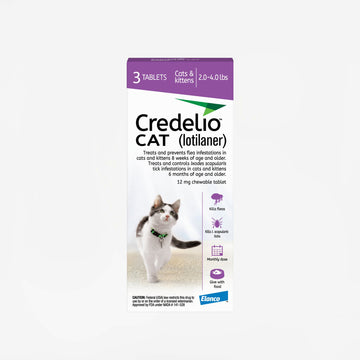
Credelio CAT - 3 months (Rx)
$36.00 / unit
20% off for a limited time Use code FLEATICK20Multiple options available
-
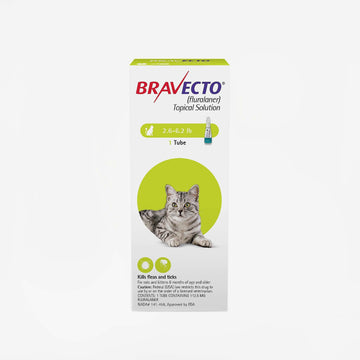
Bravecto for Cats - 12-week dose (Rx)
$71.99 / unit
20% off for a limited time Use code FLEATICK20Multiple options available
-
Which flea & tick medicine is right for your cat?
Answer a few questions so we can recommend the best flea & tick medicine for your cat.

-
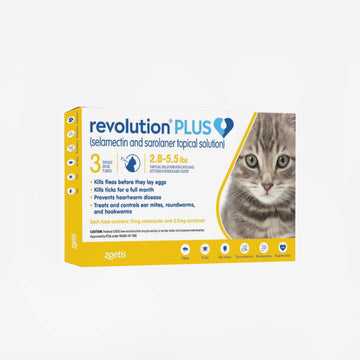
Revolution Plus for Cats - 3 mo. (Rx)
$75.18 / unit
20% off for a limited time Use code FLEATICK20Multiple options available
-
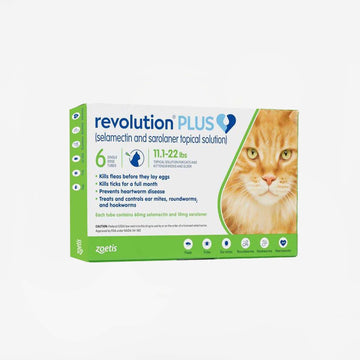
Revolution Plus for Cats - 6 mo. (Rx)
$145.25 / unit
20% off for a limited time Use code FLEATICK20Multiple options available
-
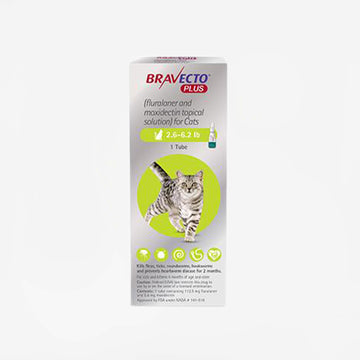
Bravecto PLUS Topical for Cats (8 Weeks) (Rx)
$51.99 / unit
20% off for a limited time Use code FLEATICK20Multiple options available
-
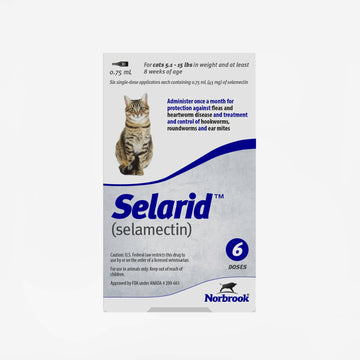
Selarid for Cats - 3 months (Rx)
$39.28 / unit
20% off for a limited time Use code FLEATICK20Multiple options available
-
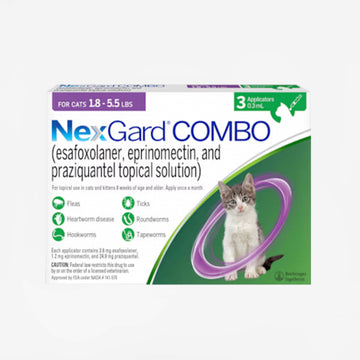
NexGard COMBO for Cats - 3 months (Rx)
$78.09 / unit
20% off for a limited time Use code FLEATICK20Multiple options available
-

Credelio CAT - 6 months (Rx)
$101.36 / unit
20% off for a limited time Use code FLEATICK20Multiple options available
-
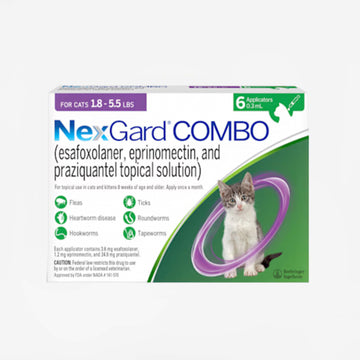
NexGard COMBO for Cats - 6 months (Rx)
$150.19 / unit
20% off for a limited time Use code FLEATICK20Multiple options available
-
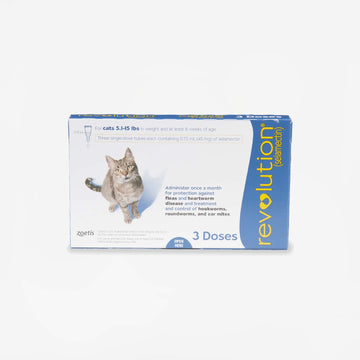
Revolution for Cats - 3 Months (Rx)
$114.97 / unit
20% off for a limited time Use code FLEATICK20Multiple options available
-
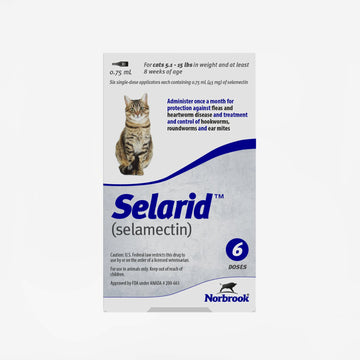
Selarid for Cats - 6 months (Rx)
$78.56 / unit
20% off for a limited time Use code FLEATICK20Multiple options available
-
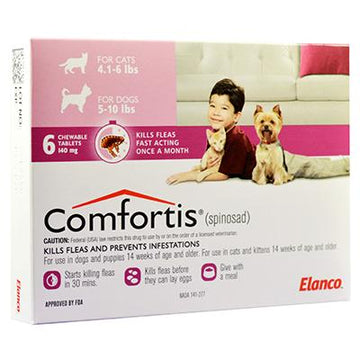
Comfortis (Rx)
$124.69 / unit
20% off for a limited time Use code FLEATICK20Multiple options available
-
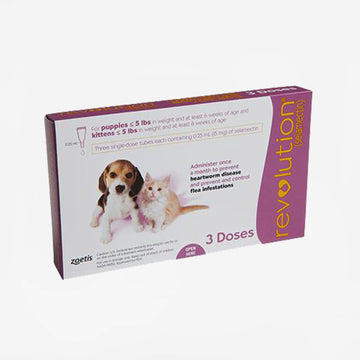
Revolution for Puppies & Kittens - 3 months (Rx)
$76.30 / unit
20% off for a limited time Use code FLEATICK20 -
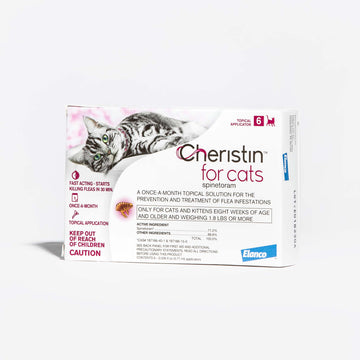
Cheristin Flea Spot Treatment for Cats, over 1.8 lbs (3 months)
$46.49 / unit
20% off for a limited time Use code FLEATICK20Multiple options available
-
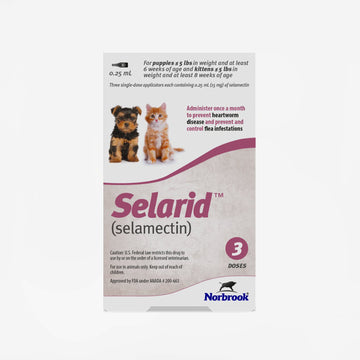
Selarid for Puppies & Kittens - 1 month (Rx)
$12.93 / unit
20% off for a limited time Use code FLEATICK20 -

Capstar Flea Oral Treatment for Cats 2-25lbs
$36.84 / unit
20% off for a limited time Use code FLEATICK20 -
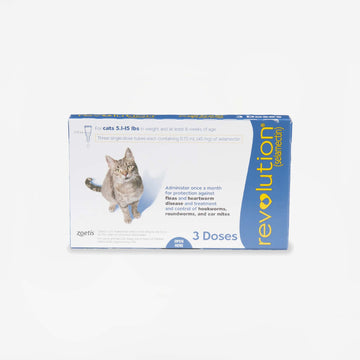
Revolution for Cats - 6 Months (Rx)
$208.11 / unit
20% off for a limited time Use code FLEATICK20Multiple options available
-

Advantage Multi Topical Solution for Cats - 6 months (Rx)
$128.59 / unit
20% off for a limited time Use code FLEATICK20Multiple options available
-
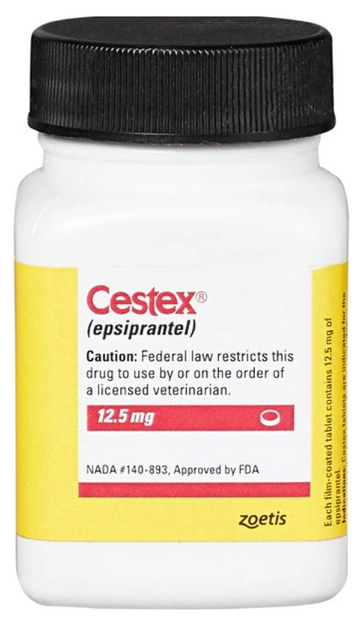
Cestex Tablets (Rx)
$6.50 / unit
20% off for a limited time Use code FLEATICK20Multiple options available
-
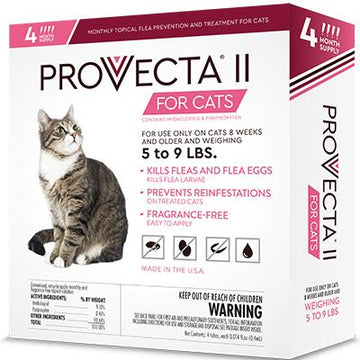
ProVecta II Topical Solution for Cats
$30.49 / unit
20% off for a limited time Use code FLEATICK20Multiple options available


- 1
- 2
Flea treatment for cats FAQs
Why your cat needs flea & tick treatment
Why your cat needs flea & tick treatment
Even the healthiest cats are at risk for fleas and ticks. Left untreated, these pests don’t just cause itchy skin — they can also spread diseases, parasites, and infest your home.
Giving regular flea and tick treatments to your cat:
- Relieves discomfort: Reduce itching, irritation, and hair loss
- Stops infestations early: Break the flea life cycle before it takes over your home
- Defends against disease: Guard against parasites and tick-borne illnesses
- Provides year-round defense: Keep your cat safe in every season
- Protects the whole family: Prevent fleas and ticks from spreading to pets and people
How to choose the best type of flea treatment for your cat
How to choose the best type of flea treatment for your cat
In general, flea pills are considered better than topicals. Fleas reproduce quickly, so by the time you treat them, there are eggs and larvae living on your cat, and fleas can be resistant to topicals. However, some cats may have reactions to pills. What works for your cat will depend on several factors, including their health, age, and side effects they've experienced in the past.
Over-the-counter (OTC) vs prescription flea medication for cats
Over-the-counter (OTC) vs prescription flea medication for cats
Over-the-counter (OTC) flea treatments are easy to buy at pet stores, pharmacies, or online. They come as shampoos, collars, sprays, powders, or spot treatments with ingredients like pyrethrins or insect growth regulators. While cheaper and easy to pick up at a store, they’re less potent, need frequent reapplication, and can be risky if not specifically formulated for cats.
Prescription flea meds require a vet’s approval but offer stronger, longer-lasting protection. With active ingredients like selamectin or afoxolaner, they’re highly effective and often protect against ticks, mites, and heartworm too. Though pricier, they’re generally safer and more reliable, especially when dealing with stubborn infestations.
When choosing between the two, consider factors like:
- Infestation severity: OTC for mild cases; prescription for recurring or severe
- Cat’s health: Vets should guide treatment for kittens, senior cats, or cats with chronic illnesses
- Multi-pet homes: Prescription meds provide broader coverage
- Convenience: Prescription treatments last 1-3 months; OTCs need reapplying
- Safety: Cats are sensitive to certain chemicals — vet-prescribed products minimize the risk.
Still unsure? Schedule a call with a licensed vet at Dutch. They’ll help you find a flea medicine for cats that’s both safe and effective in no time.
How to administer flea treatment for cats
How to administer flea treatment for cats
Giving your cat flea treatments can be straightforward with the right approach. Here’s how to do it safely and effectively:
- Prepare the treatment: Read the instructions carefully before starting — different brands may have slight variations.
- Find the right spot: Position your cat on a stable surface, holding them gently but securely. Part the fur at the base of your cat’s neck, just above the shoulders.
- Apply the medication: Squeeze the tube gently to apply the entire contents directly onto the skin, letting it absorb before releasing your cat.
- Provide aftercare: Monitor for any signs of irritation (redness, itching, hair loss at the site) or unusual behavior. If you notice a reaction, contact your vet.
To administer an oral flea medicine for cats:
- Prepare the medication: Follow the dosage recommended by your vet or the packaging instructions.
- Choose your method:
- Give the medication directly: Hold your cat gently but securely, wrapping them in a towel if needed. Tilt their head back, open their mouth, and place the pill as far back on the tongue as possible. Close their mouth, stroke their throat, or blow lightly on their nose to encourage swallowing, then reward with praise or a treat.
- Hide the pill in food: Wrap the pill in a small piece of soft food like canned meals, gravy treats, or cheese and feed it to them.
- Monitor ingestion: Make sure your cat swallows the medication completely. Watch closely — some cats are experts at spitting pills back out.
Provide aftercare: Reward your cat with praise or treats and monitor them for any immediate adverse reactions.
How does flea treatment for cats work?
How does flea treatment for cats work?
Flea treatments for cats work by either killing adult fleas directly or by disrupting the flea lifecycle so eggs and larvae can’t develop. They contain ingredients that disrupt flea nervous systems, preventing reproduction and infestation.
Topical flea medicine for cats spreads across the skin’s oils to protect the body, while oral medications circulate in the bloodstream so fleas die after biting. Many products also provide long-lasting protection (usually 1-3 months) to prevent reinfestation.
What is the most effective flea medicine for cats?
What is the most effective flea medicine for cats?
Many cat flea treatments, including topical products like flea spot treatments for cats and oral prescriptions, are available. Of course, you should never use dog flea products on cats because they contain ingredients that may be toxic to cats. Flea collars are also popular, but if your cat doesn't like having an additional collar around their neck, they may try to bite at it, which could be dangerous since collars contain chemicals.
How can I get flea medicine without a vet?
How can I get flea medicine without a vet?
There are several over-the-counter flea medicines for cats available without a prescription. However, they're generally used for preventive care rather than treatment and don’t work as well as prescription products. The best way to eliminate fleas on your cat and protect them is to get a prescription from a vet.
Luckily, you don't have to hop in the car and take your cat to an anxiety-inducing vet visit to get their medicine. Instead, you can use telemedicine for pets from Dutch and talk to one of our vets, who can prescribe flea and tick medicine for cats from the comfort of your own home.
What's the best non-prescription flea medicine?
What's the best non-prescription flea medicine?
Dutch offers several flea and tick medicines for cats that don't require a prescription, including the following:
- Capstar Flea Oral Treatment: Capstar is a tablet that contains Nitenpyram to eliminate fleas in cats and dogs. The formula begins working in as little as 30 minutes and is more than 90% effective at eliminating adult fleas to reduce itchiness and discomfort. Capstar is a short-acting flea prevention that only lasts 48 hours.
- Cheristin Flea Spot Treatment: If you're looking for a spot treatment, Cheristin is a good option because it is specially formulated for cats and can remove fleas quickly. This treatment also works for an entire month.
Of course, many non-prescription flea medicines for cats aren't designed to eliminate larvae and eggs, but they can immediately reduce your pet's discomfort. Still, you should have your pet diagnosed and treated by a vet, as prescription flea medicine for cats is more effective.
Is there a weight or age requirement to give my cat flea medicine?
Is there a weight or age requirement to give my cat flea medicine?
Yes, most flea medicines for cats do have minimum weight and age requirements, and these vary by product. Many are approved for kittens as young as eight weeks old and around two pounds, while others require the cat to be older or heavier. Always check the specific product label and follow your veterinarian’s guidance to ensure the medication is safe for your cat’s age, size, and health conditions.
Do indoor cats need flea and tick treatment?
Do indoor cats need flea and tick treatment?
Yes, indoor cats still benefit from flea and tick treatment. Even if they never go outside, fleas and ticks can enter your home on clothing, shoes, other pets, or through open windows and doors. Once inside, fleas can quickly multiply and cause itching, skin irritation, or even transmit parasites like tapeworms. Preventive treatment helps protect indoor cats from unexpected infestations and the health issues these pests can cause.
How often do cats need flea treatment?
How often do cats need flea treatment?
Most cats need flea treatment year-round to stay protected, with applications typically given every month depending on the product. Topical treatments and oral tablets are designed to provide continuous protection for a set duration — usually 30 days, though some products last up to 12 weeks.
Skipping or delaying doses can leave gaps in protection, allowing fleas to return. Your vet may recommend year-round prevention even for indoor cats, since fleas can be brought inside.
Do flea and tick treatments expire?
Do flea and tick treatments expire?
Yes, flea and tick treatments for cats do expire. Like all medications, they have an expiration date printed on the package that indicates how long the product is guaranteed to be safe and effective. Using an expired treatment may reduce its ability to kill or prevent fleas and ticks, and in some cases could pose safety risks if the ingredients have degraded. It’s best to check the packaging before use and replace any expired products.
What can I do to prevent fleas?
What can I do to prevent fleas?
Fleas are preventable, especially on indoor cats who don't spend time outside. Fleas can enter your home in several ways, especially on your shoes or clothing or if you leave your doors and windows open.
The best way to prevent fleas on cats is to use preventive products and get rid of fleas in your house. Many of the best flea medicines for cats you can use to treat fleas on cats also protect them for 30 days. You should use flea prevention year-round to prevent fleas from causing itching and hair loss that affect your pet’s quality of life.

