Filter by
Flea treatment for dogs | Dutch
Fleas and ticks are expanding into new areas due to changing climates and environments, making prevention and protection for your dog more important than ever. Find the best flea and tick treatments for dogs to protect them from these pests.


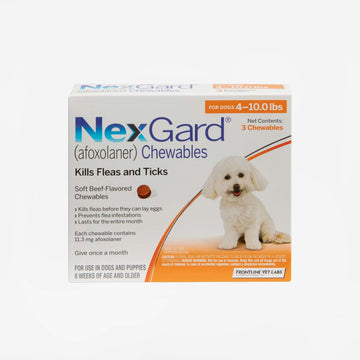
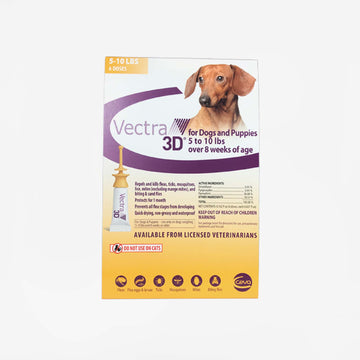
Choose from the best flea & tick treatments for dogs
Explore our top-rated flea and tick medications to find the best solution for protecting your dog’s health and happiness outside.
-

Bravecto for Dogs - 12-week dose (Rx)
$70.89 / unit
20% off for a limited time Use code FLEATICK20Multiple options available
-
NexGard Chewables - 3 Months (Rx)
$86.19 / unit
20% off for a limited time Use code FLEATICK20Multiple options available
-
Protect your pet with the best flea treatment for dogs
Choosing the right flea treatment keeps your dog happy, healthy, and itch-free. Give them the best protection with top-rated brands from Dutch.

-
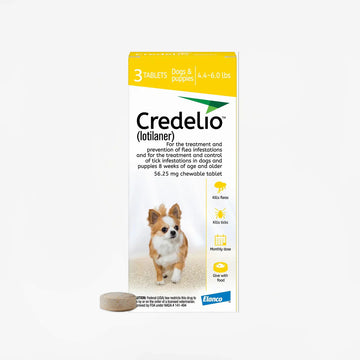
Credelio - 3 months (Rx)
$84.56 / unit
20% off for a limited time Use code FLEATICK20Multiple options available
-

Simparica Trio – 6 months (Rx)
$194.04 / unit
20% off for a limited time Use code FLEATICK20Multiple options available
-
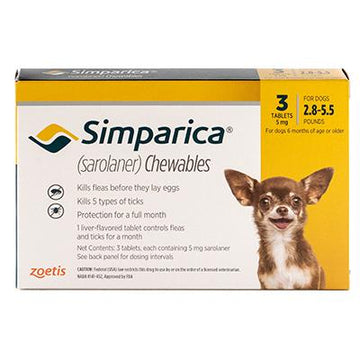
Simparica Chewables - 6 months (Rx)
$123.49 / unit
20% off for a limited time Use code FLEATICK20Multiple options available
-

NexGard Chewables - 6 Months (Rx)
$151.79 / unit
20% off for a limited time Use code FLEATICK20Multiple options available
-
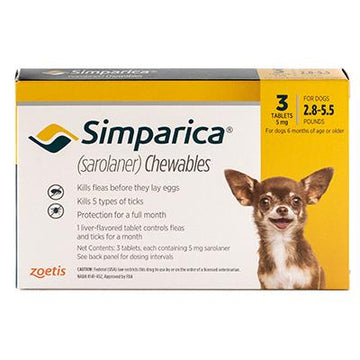
Simparica Chewables - 3 months (Rx)
$69.37 / unit
20% off for a limited time Use code FLEATICK20Multiple options available
-
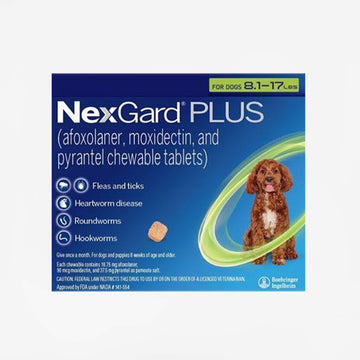
Nexgard PLUS for Dogs - 3 months (Rx)
$111.89 / unit
20% off for a limited time Use code FLEATICK20Multiple options available
-
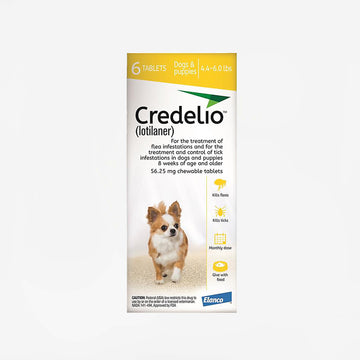
Credelio - 6 months (Rx)
$159.54 / unit
20% off for a limited time Use code FLEATICK20Multiple options available
-
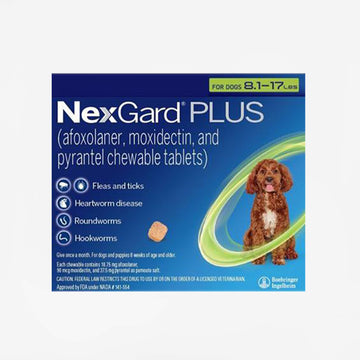
Nexgard PLUS for Dogs - 6 months (Rx)
$203.99 / unit
20% off for a limited time Use code FLEATICK20Multiple options available
-
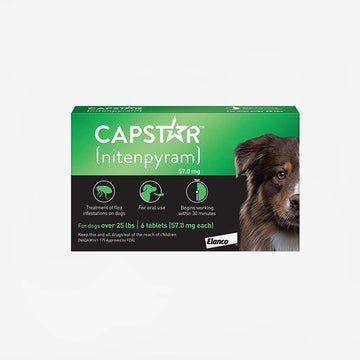
Capstar Flea Oral Treatment for Dogs, over 25 lbs
$34.65 / unit
20% off for a limited time Use code FLEATICK20 -
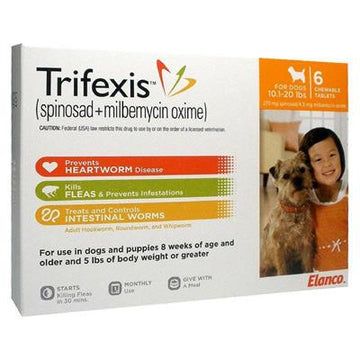
Trifexis for Dogs (Rx)
$154.09 / unit
20% off for a limited time Use code FLEATICK20Multiple options available
-
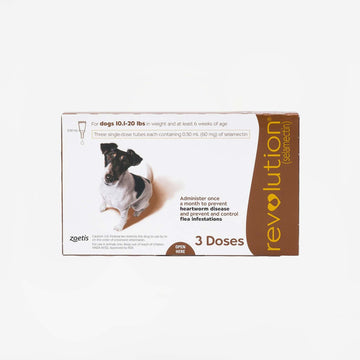
Revolution for Dogs 3-months (Rx)
$100.33 / unit
20% off for a limited time Use code FLEATICK20Multiple options available
-
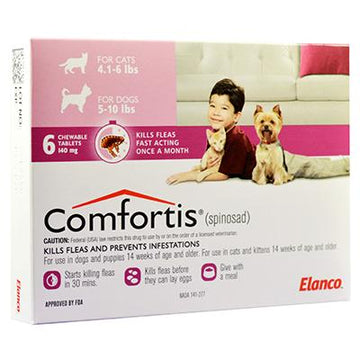
Comfortis (Rx)
$124.69 / unit
20% off for a limited time Use code FLEATICK20Multiple options available
-
Vectra 3D - 3 months
$44.99 / unit
20% off for a limited time Use code FLEATICK20Multiple options available
-
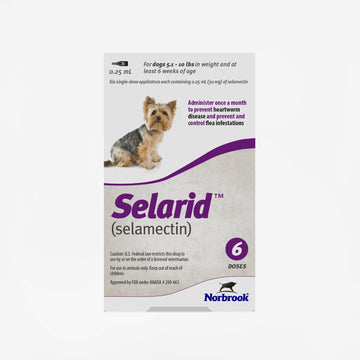
Selarid for Dogs - 3 months (Rx)
$38.85 / unit
20% off for a limited time Use code FLEATICK20Multiple options available
-
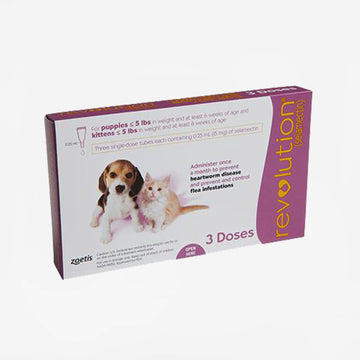
Revolution for Puppies & Kittens - 3 months (Rx)
$76.30 / unit
20% off for a limited time Use code FLEATICK20 -
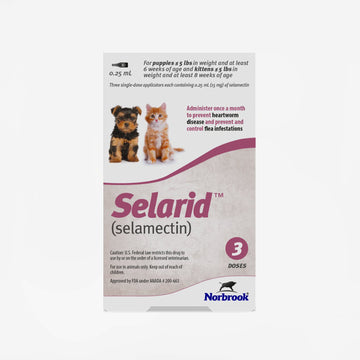
Selarid for Puppies & Kittens - 1 month (Rx)
$12.93 / unit
20% off for a limited time Use code FLEATICK20 -
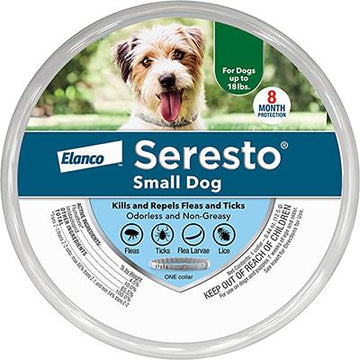
Seresto Collar for Dogs
$59.99 / unit
20% off for a limited time Use code FLEATICK20Multiple options available
-
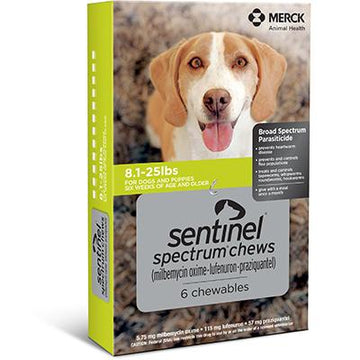
Sentinel SPECTRUM Chews (Rx)
$51.99 / unit
20% off for a limited time Use code FLEATICK20Multiple options available


- 1
- 2
Flea treatment for dogs FAQs
Why your dog needs flea & tick treatment
Why your dog needs flea & tick treatment
Keeping your dog protected from fleas and ticks supports their well-being by:
- Preventing discomfort: Fleas and ticks cause itchiness and irritation that may leave your dog scratching all day.
- Avoiding pest-related health issues: Fleas and ticks can transmit diseases like Lyme disease and tapeworms, which seriously affect your dog’s health.
- Protecting your home: Fleas multiply quickly and can infest your home, making it uncomfortable for everyone.
How to choose the best type of flea treatment for your dog
How to choose the best type of flea treatment for your dog
Flea and tick treatments come in pills, chewables, and topical medications. Here are some of the key differences between these treatments:
- Topical flea treatment for dogs: Topical flea treatment for dogs includes shampoos, powders, and spot treatments. Some are more effective than others, with spot treatments being the most effective topical flea treatments for dogs because they eliminate fleas, larvae, and eggs and protect your pet for around 30 days.
- Oral flea treatment for dogs: Oral flea treatments for dogs can come in pill or chewable forms. Which is best for your dog depends on which they’re more likely to eat. Some dogs prefer chewable forms that are flavored and resemble their other treats. Oral flea and tick prevention for dogs is the most successful in eliminating and preventing fleas, protecting your pet for 30 days.
Flea collars: Another option is flea collars, which can prevent parasites by using chemicals released into the dog’s skin. Flea collars are worn around the neck and can be useful, but they may cause GI upset and skin irritation in some dogs.
Over-the-counter (OTC) vs. prescription flea treatment for dogs
Over-the-counter (OTC) vs. prescription flea treatment for dogs
Choosing between OTC and prescription flea treatments can be a bit overwhelming. OTC options can be handy in a pinch, but it’s important to opt for a prescription whenever you can to give your dog the best protection possible.
Choosing the right flea medication based on age and breed
Choosing the right flea medication based on age and breed
Your dog's age and breed matter when picking flea meds. Puppies and seniors might need gentler options to avoid side effects, and some breeds are sensitive to certain ingredients. Chat with your vet to find the safest fit.
Solutions for specific insects
Solutions for specific insects
If you're dealing with a mix of insects in your area, consider treatments that also tackle other bugs like mosquitos.
How do I know if my dog has fleas?
How do I know if my dog has fleas?
Dogs with fleas are excessively itchy. You may see them scratch their fur or rub up against objects in the home more often. Flea bites also leave marks, so you may notice red bumps on your dog’s skin under their fur. When left untreated, fleas can cause hair loss, scabs, and painful lesions because dogs can’t stop scratching themselves. Some pet parents even see the fleas themselves jump off their dogs and into their homes.
Unfortunately, you won’t truly know if your dog has fleas until you have them diagnosed by a vet. There are many causes of itchy skin in dogs, ranging from allergies to ear infections, mange, and even anxiety, so you shouldn’t treat your dog’s itching at home until you know the cause.
How often do I need to treat my dog for fleas?
How often do I need to treat my dog for fleas?
Once your dog is diagnosed with fleas, they’ll need to receive multiple treatments to rid them of the infestation. If you’re using spot-on treatments, this may mean multiple uses before the infestation is completely eradicated. However, if you’re using oral flea medicine for dogs, you only need to give your dog a monthly dose to be protected year-round, since they protect pets for 30 days.
It’s important to note that you should not give your dog flea medicine for cats or allergy meds for cats because they contain different ingredients that may be toxic.
How can I prevent fleas on my dogs?
How can I prevent fleas on my dogs?
While fleas are small and virtually undetectable, there are several ways you can protect your pets and yourself from fleas, including:
- Bathe and brush pets regularly
- Check for fleas and flea bites on the skin, especially after walks
- Use flea and tick prevention for dogs year-round
Fleas prefer warm, humid, and dark environments like leaves, trees, and grass. Unfortunately, you can’t prevent your dog from spending time outside, so you should keep them protected with preventative products year-round, even in the winter.
How can I stop fleas spreading to my house and other pets?
How can I stop fleas spreading to my house and other pets?
Unfortunately, by the time you realize your dog might have fleas, they may have spread it to other pets and people throughout the household. Fleas jump, so they can be virtually anywhere. If your dog is being treated for fleas and another pet hasn’t gotten them, your vet will still recommend that all household pets be treated for fleas to prevent a growing infestation.
Our vets at Dutch can diagnose and treat fleas on dogs and cats from the comfort of your own home. Plus, we can deliver pet prescriptions like anti-itch medicine for cats and dogs right to your door to reduce itching, prevent fleas and ticks, and protect your pets.
Do I need a prescription for dog flea and tick medicine?
Do I need a prescription for dog flea and tick medicine?
For many effective flea and tick treatments, you’ll need a prescription from your vet. These medicines are generally stronger and ensure comprehensive protection, making them a reliable choice for controlling infestations and protecting your dog’s health.
How long does it take for dog flea and tick medicine to work?
How long does it take for dog flea and tick medicine to work?
Most flea and tick medicines start working within a few hours. Oral treatments often begin killing fleas within 30 minutes, while topical solutions might take a bit longer. Always follow the product instructions for the best results.
Do I need flea medicine for my dog during winter?
Do I need flea medicine for my dog during winter?
Yes, it’s wise to continue using flea medicine during winter. While fleas are less active in cold weather, they can still survive indoors. Year-round prevention helps keep your dog protected no matter the season.
Do I need to treat my house if my dog has fleas?
Do I need to treat my house if my dog has fleas?
Absolutely. Treating your home is crucial if your dog has fleas. Fleas can hide in carpets, bedding, and furniture. Using home treatment products helps ensure you eliminate fleas from your environment, protecting everyone in your household.

