Get Clavamox for dogs online

Get Clavamox for dogs online with Dutch. Connect with a licensed vet, get a prescription, and have it delivered straight to your door.

Clavamox for dogs chewable tablet (Rx)
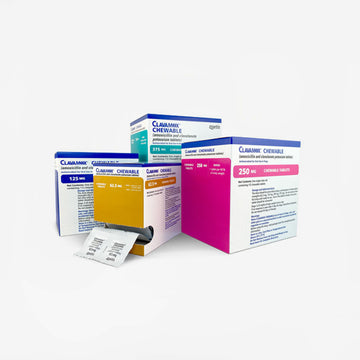
Get a prescription in 10 minutes
Clavamox Chew (Rx)


Clavamox for dogs medication information

Every medication comes with important details pet parents should know. Here’s a breakdown of key information to help you use this antibiotic with confidence.

What does Clavamox treat?

Veterinarians commonly prescribe Clavamox to treat:

  • Wounds
  • Abscesses
  • Cellulitis (a bacterial skin infection)
  • Pyoderma (a bacterial skin infection also known as impetigo)
  • Periodontal (gum) infections in dogs
  • Urinary tract infections (UTIs) in cats

These conditions are among the most common bacterial infections seen in pets. Since Clavamox covers a broad range of bacteria, it’s often the first line of treatment.

Clavamox for dogs dosage and directions

Give orally with food, following the dosage instructions from your veterinarian. Keep in a cool, dry place at room temperature. (Do not remove the tablets from the foil strip until ready to use.)

Who is Clavamox for?

Clavamox is approved for dogs and cats. Your veterinarian will decide if it’s right for your pet based on their age, medical history, and type of infection.

What are the active ingredients in Clavamox?

Clavamox contains two active ingredients that work together to make it more effective than standard antibiotics:

  • Amoxicillin trihydrate: A well-established antibiotic from the penicillin family that has been safely used in pets for decades
  • Clavulanic acid: A supportive compound that protects amoxicillin from being broken down by resistant bacteria

This combination is what makes Clavamox different from plain amoxicillin. On its own, amoxicillin may not work against certain infections, but when paired with clavulanic acid, it can successfully treat bacteria that would otherwise resist treatment.

Potential side effects of Clavamox

Most pets tolerate Clavamox well, but side effects can occur.

Common side effects include:

  • Vomiting
  • Diarrhea
  • Loss of appetite

Serious side effects may include:

  • Allergic reactions (swelling of the lips, tongue, or face, hives, rash, or difficulty breathing)
  • Collapse or sudden changes in behavior

Other possible effects:

  • Secondary yeast or fungal infections with longer use

To minimize stomach upset, give your pet Clavamox with a meal. If they experience severe reactions or unusual symptoms, stop the medication immediately and contact your veterinarian.

Clavamox should not be used in pets allergic to penicillin or cephalosporins. Always tell your vet about any other medications, supplements, or vitamins your pet is taking.

Clavamox overdose information and when to call a vet
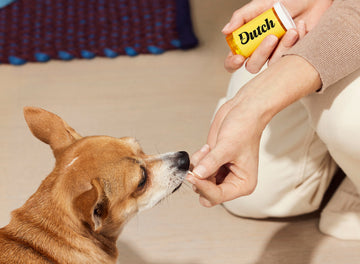
Accidentally giving your dog too much Clavamox can cause serious health issues. Signs of an overdose may include:

  • Severe vomiting or diarrhea
  • Drooling
  • Loss of coordination
  • Weakness or collapse
  • Allergic reactions such as hives, swelling, or difficulty breathing

If you suspect your pet has ingested more than the prescribed dose, contact your veterinarian or the nearest emergency veterinary clinic immediately. Quick action is critical to prevent complications and ensure your pet’s safety.

How to get Clavamox for dogs prescriptions from Dutch online vets

Getting Clavamox with Dutch is simple and stress-free. Our approach to telemedicine for pets means you can:

1

Pick a plan and become a member

2

Schedule a call with a licensed vet

3

Order the prescriptions the vet recommends

4

Get unlimited care & follow-ups

Clavamox for dogs: Safety Information

Store CLAVAMOX CHEWABLE out of reach of dogs, cats, and other pets in a secured location in order to prevent accidental ingestion or overdose.

Prescribing Information

https://www.zoetisus.com/content/pages/Products/Petcare/Clavamox-Resources/documents/Clavamox-chewable-drops-marketing-package-inserts.pdf

Warnings 

Prescribing antibacterial drugs in the absence of a proven or strongly suspected bacterial infection is unlikely to provide benefit to treated animals and may increase the risk of the development of drug-resistant animal pathogens. Safety of use in pregnant or breeding animals has not been determined.

Human Warnings

  • Not for human use. Keep this and all drugs out of reach of children. Antimicrobial drugs, including penicillins and cephalosporins, can cause allergic reactions in sensitized individuals.1

  • To minimize the possibility of allergic reactions, those handling such antimicrobials, including amoxicillin trihydrate/clavulanate potassium, are advised to avoid direct contact of the product with the skin and mucous membranes.1


References

  1. https://dailymed.nlm.nih.gov/dailymed/fda/fdaDrugXsl.cfm?setid=78c3cf22-9151-4f39-a857-d103eca12c93


Clavamox for dogs FAQs

What is Clavamox for dogs and how does it work?

Clavamox is a prescription antibiotic in the penicillin family. It’s considered a broad-spectrum treatment, which means it can target many different types of bacteria at once. Veterinarians prescribe Clavamox to fight infections that affect the skin, gums, and urinary tract, among others.

Is Clavamox safe for my dog?

Clavamox is generally safe for dogs when prescribed and monitored by a veterinarian. It has been used in veterinary medicine for decades and is well-tolerated by most pets. That said, dogs with a known allergy to penicillin or cephalosporin antibiotics should not take it, as serious reactions can occur. 

Mild side effects like stomach upset are possible, but severe reactions are rare. If your dog has a history of medication allergies, always tell your vet before starting treatment.

How quickly does Clavamox work in dogs?

Most dogs begin to show signs of improvement within 48 – 72 hours of starting Clavamox. Symptoms such as reduced swelling, less discharge, or improved energy are common early signs that the antibiotic is working. 

However, every infection is different, and deeper or more resistant infections may take longer to improve. It’s essential to continue giving the full course of antibiotics, even if your dog seems better, to make sure the infection is completely eliminated and to prevent antibiotic resistance.

What bacteria does Clavamox treat?

Clavamox is considered a broad-spectrum antibiotic, meaning it targets many different types of bacteria. It’s effective against organisms like Staphylococcus, Streptococcus, and E. coli, which are often responsible for skin infections, urinary tract infections, and gum disease in dogs. 

The clavulanic acid in Clavamox makes it effective in fighting bacteria that are resistant to some other antibiotics. This makes it a go-to option for veterinarians when treating common but sometimes stubborn infections.

Can Clavamox be used to treat fungal or viral infections in dogs?

No, Clavamox only works against bacterial infections. It cannot kill viruses (like those that cause kennel cough or parvovirus) or fungi (like ringworm or yeast infections). Giving Clavamox in those cases won’t help and may delay the correct diagnosis and treatment. If your dog has symptoms that aren’t improving, it’s important to consult your veterinarian so they can determine the real cause and choose the right treatment.

Is Clavamox safe for pregnant or lactating dogs?

The safety of Clavamox in pregnant, nursing, or breeding dogs has not been fully established. Because there isn’t enough research, veterinarians typically use caution and may recommend alternative antibiotics that have been studied more thoroughly in these situations. 

If your dog is pregnant or nursing and develops an infection, your vet will carefully weigh the risks and benefits before prescribing any medication.

Can i give my dog a dose of Clavamox based on previous prescriptions?

You should never give leftover antibiotics or use a past prescription without veterinary guidance. Infections vary in type, location, and severity, so the right dose and treatment length for one infection may not be effective for another. Using the wrong amount or stopping treatment too early can contribute to antibiotic resistance, making future infections harder to treat. 

Always check with your veterinarian before giving your dog any medication, even if it was prescribed in the past.