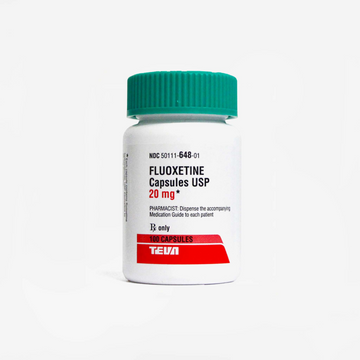
Get Fluoxetine for dogs online

Treat anxiety and behavioral issues in dogs with fluoxetine from Dutch.

Register with Dutch today and access convenient, same-day prescriptions for fluoxetine.

Fluoxetine for dogs (Rx)

Get a prescription in 10 minutes
Fluoxetine for dogs (Rx)


Fluoxetine for dogs medication information

What does Fluoxetine treat?

Fluoxetine is a selective serotonin reuptake inhibitor (SSRI) that helps manage anxiety and behavior-related problems in dogs by increasing the serotonin levels in their brain — a chemical which regulates emotions, mood, and well-being. Vets often prescribe it to improve a dog’s overall mood and manage behaviors associated with stress. 

Common symptoms that fluoxetine treats include:

  • Whining or barking excessively
  • Pacing and restlessness 
  • Frequent yawning
  • Destructive behavior (chewing and scratching furniture)
  • Panting when not overheated 
  • Hiding or avoiding interaction
  • Trying to escape in stressful situations

Conditions that fluoxetine treats include:

  • Separation anxiety
  • Obsessive-compulsive disorders (repetitive behaviors like tail-chasing, excessive licking, etc.) 
  • Impulsive, fear-based aggression

How is Fluoxetine given?

Fluoxetine capsules or tablets are given orally to cats and dogs, following the dosage instructions from your veterinarian. Administering it with food can prevent stomach upset.

Who is Fluoxetine for?

Fluoxetine is prescribed for cats and dogs experiencing anxiety, compulsive behavior, or aggression. Vets may recommend it for pets in need of long-term support for managing stress-related issues. For example, it may be suitable for a dog with separation anxiety or a cat that’s excessively grooming itself.

What is the active ingredient in Fluoxetine?

The active ingredient in this medication is fluoxetine hydrochloride. It’s a selective serotonin reuptake inhibitor, which increases the serotonin levels in the brain to improve mood and reduce anxiety.

Fluoxetine hydrochloride is the generic form of Prozac, a well-known medication used for the management of behavioral issues in pets.

Possible side effects of Fluoxetine

The biggest adverse effects of fluoxetine are associated with gastrointestinal upset, including lack of appetite, vomiting, diarrhea, and/or weight loss. Other signs, although infrequent, include tremors, restlessness, and excessive vocalization. To minimize side effects, we prefer to start at a lower dose for the first few weeks.

Be sure to tell your vet about any medications, vitamins, or supplements that your pet is taking.

Fluoxetine dosage information and when to call a vet

Fluoxetine helps manage anxiety and behavior-related issues in both cats and dogs, helping them feel calmer and happier. Your veterinarian will provide instructions about how to administer it to your dog, including the exact dosage, which depends on the pet’s weight, age, and condition. 

Watch your pet for any changes in appetite, behavior, or energy levels once they start fluoxetine. If you notice they’re behaving unusually, contact their vet right away.

Learn more about fluoxetine and other anxiety medications for your pet by visiting our online pet pharmacy. Get prescriptions filled quickly, talk to expert vets, and ensure your pet’s mental health and well-being from the comfort of your home.

How to store Fluoxetine

You should always keep fluoxetine in its original container at room temperature, away from moisture, direct sunlight, and heat, and out of reach of children and pets to avoid accidental ingestion. Proper storage ensures the medication remains effective and keeps pets and children in your home safe.

Fluoxetine interactions with other dog medications

Fluoxetine can interact with other medications, increasing the risk of side effects or reduced effectiveness. This is why you should avoid giving it alongside other antidepressants, some pain medications, and any other medication that affects the serotonin levels in any way, without prior vet consultation. 

Report any meds, supplements, or herbal remedies that your dog is taking to the vet. They may adjust the doses or recommend safer alternatives to reduce the risk of possible interactions.

What to do if you miss a dose of Fluoxetine for your dog
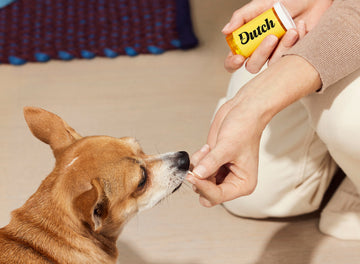
If you miss a dose of fluoxetine, give it as soon as you remember. However, if it’s almost time for the next scheduled dose, skip the missed one and continue with the regular dosing schedule. 

Never give a double dose to make up for a forgotten dose. If you’re not sure what to do or if your dog is exhibiting unusual behavior after a missed dose, consult your vet right away.

How to get Fluoxetine for dogs prescriptions from Dutch online vets

1

Pick a plan and become a member

2

Schedule a call with a licensed vet

3

Order the prescriptions the vet recommends

4

Get unlimited care & follow-ups

Fluoxetine for dogs: Safety Information

Fluoxetine should only be given under the guidance of a licensed veterinarian to the prescribed pet. 

Warnings 

  • As a selective serotonin reuptake inhibitor (SSRI), fluoxetine can increase the risk of serotonin syndrome, a potentially dangerous condition caused by exaggerated serotonin levels. Serotonin syndrome can cause inflated heart rate, tremors, dilated pupils, trouble breathing, elevated body temperature, high blood pressure, and/or hyperactivity. Serotonin syndrome generally only occurs when two or more serotonin-increasing drugs are used simultaneously. MAO inhibitors can also increase risk of serotonin syndrome when used in conjunction with SSRIs. 
  • Use of buspirone, tramadol, clomipramine, amitriptyline, or trazodone with fluoxetine can also increase the risk of serotonin syndrome.
  • Cyproheptadine, an appetite stimulant, may decrease or even reverse the effect of fluoxetine.
  • Diazepam and alprazolam may have stronger effects if used in conjunction with fluoxetine, as can beta blockers and the blood thinner clopidogrel.
  • Fluoxetine should not be used in combination with drugs that could increase the likelihood of seizures.
  • Insulin requirements may change when taking fluoxetine.
  • This medication is best not used in patients with diabetes mellitus or with seizure disorders.
  • Before discontinuing fluoxetine, pet parents should talk to their veterinarian.2

Human Warnings

  •  Fluoxetine should be administered only to the prescribed pet. Do not administer Fluoxetine to other pets or people.2

References

  1. Neilson, Jacqueline C. "Feline Aggression - Treatment with Fluoxetine." Veterinary Partner. VIN, n.d. Web. 28 May 2024. https://veterinarypartner.vin.com/default.aspx?pid=19239&id=4952744https://www.woodward-vets.co.uk/images/downloads/medication-leaflets/Fluoxetine.pdf 
  2. "Fluoxetine Medication Leaflet." Woodward Veterinary Practice, n.d. Web. 28 May 2024. https://www.woodward-vets.co.uk/images/downloads/medication-leaflets/Fluoxetine.pdf.

Fluoxetine for dogs FAQs

What is Fluoxetine for dogs and how does it work?

Fluoxetine is an antidepressant often prescribed for dogs and cats with behavioral issues such as separation anxiety, obsessive-compulsive disorders, and aggression. It works by gradually restoring the balance of the chemicals in the brain that influence mood and behavior, allowing your pet to be less anxious and calmer.

How long does it take for Fluoxetine to start working in dogs?

Fluoxetine works gradually, so most dogs begin to show improvements within 4 - 6 weeks, though it may take up to eight weeks. You might notice your pet becoming calmer and less anxious or showing fewer compulsive behaviors over time. 

Make sure to follow your vet’s instructions and continue with the treatment even if the changes are slow. Stopping the medication too soon can prevent it from working optimally.

Should i give my dog Fluoxetine in the morning or at night?

Vets recommend giving fluoxetine once a day in the morning to keep your pet’s medication levels steady. 

If your pet is experiencing mild sleepiness, gastrointestinal upset, or any other side effects, contact their vet. They’ll determine if your pet needs adjustments to their medication dosage or schedule.

Does Fluoxetine help with dog reactivity?

Fluoxetine for dogs is used to help lower reactive behavior in dogs, such as lunging, barking, or overreacting to people or other animals. It increases the serotonin levels in the dog’s brain, regulating their mood and decreasing stress-triggered responses. For optimal results, a vet may suggest combining fluoxetine with behavioral training and environmental management. If you need a fluoxetine prescription, you can obtain one through a telemedicine platform for pets like Dutch. Get online vet prescriptions and consult licensed vets the same day, without having to leave your home.

Does Prozac affect dogs’ appetite?

Fluoxetine (Prozac) may influence a dog’s appetite by making them eat less initially, whereas others may not experience any appetite-related changes. 

Usually, these are short-term, mild changes, but it’s always important to monitor your dog’s food intake and weight. If your pup refuses to eat, loses weight, or shows symptoms of gastrointestinal discomfort, consult their vet.

Are there any risk factors for Fluoxetine?

Although generally safe for most dogs, fluoxetine may need to be avoided or adjusted in some cases, including: 

  • If your dog has a liver, heart, or kidney issue 
  • If your dog is on another antidepressant, takes pain medications, or is on other drugs that affect serotonin levels 
  • For puppies, senior dogs, and small breeds that may exhibit more sensitivity to fluoxetine’s side effects