Filter by
Dental Treats & Chews For Cats
Shop dental treats and chews for cats at Dutch to keep their teeth clean and support their tooth health, to reduce their risk of dental disease.
-

Clindamycin HCl Capsules (Rx)
$0.46 / unit
Multiple options available
-
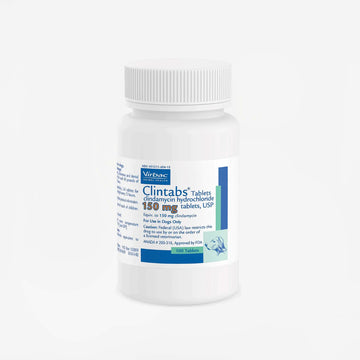
Clintabs (Clindamycin HCl) (Rx)
$0.69 / unit
Multiple options available
-
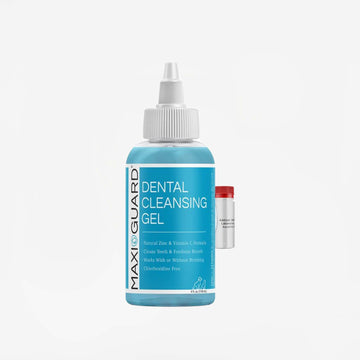
Maxi/Guard Dental Gel
$11.49 / unit
-
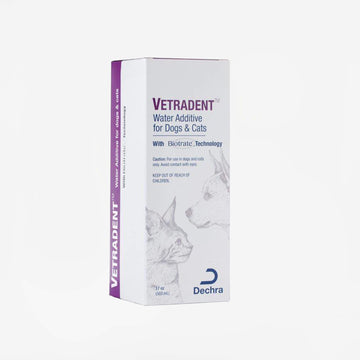
Vetradent Water Additive (Drops)
$14.37 / unit
-
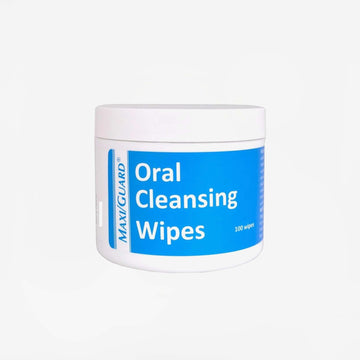
Maxi/Guard Oral Cleansing Wipes
$20.80 / unit
-
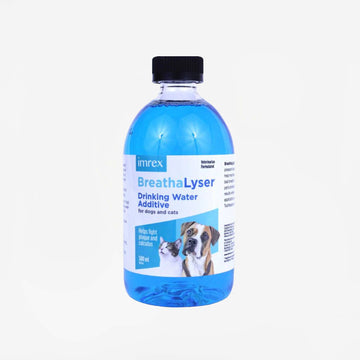
BreathaLyser Drinking Water Additive for Dogs & Cats
$12.82 / unit
-
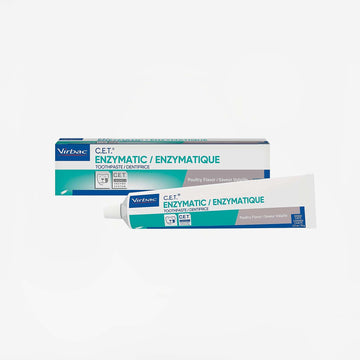
C.E.T. Enzymatic Dog & Cat Poultry Flavor Toothpaste
$11.89 / unit
-

VetriScience Perio Support Pro
$49.49 / unit
-
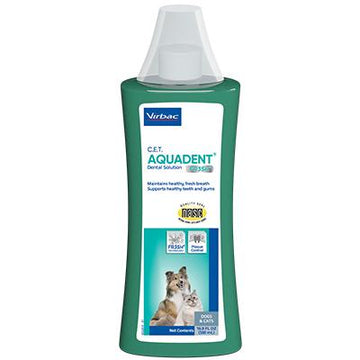
C.E.T. AQUADENT FR3SH Dental Solution for Cats & Dogs
$16.77 / unit
-
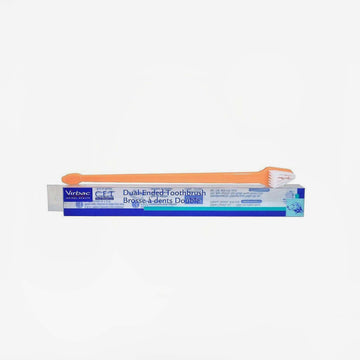
C.E.T. Dual Ended Dog & Cat Toothbrush
$6.99 / unit
-
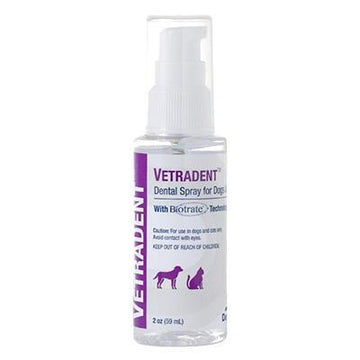
Vetradent Oral Spray for Cats & Dogs
$14.77 / unit
-
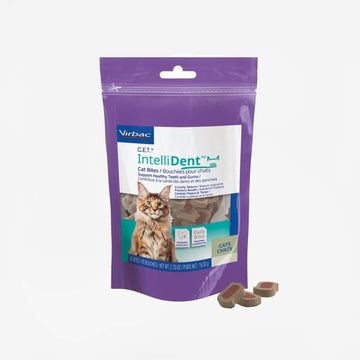
C.E.T. Intellident Cat Bites
$11.49 / unit
-
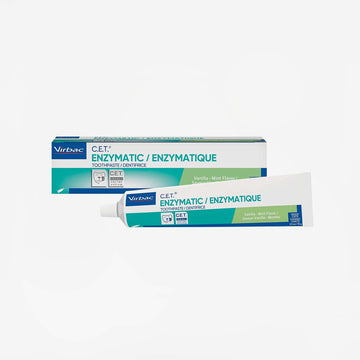
C.E.T. Enzymatic Dog & Cat Vanilla-Mint Flavor Toothpaste
$11.89 / unit
-

Vetradent Dental Wipes for Cats & Dogs
$25.06 / unit
-
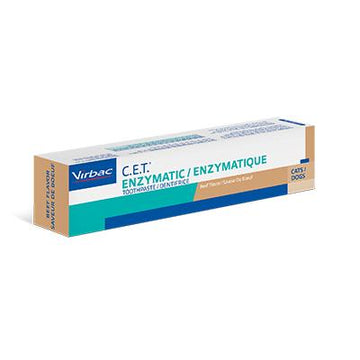
C.E.T. Enzymatic Toothpaste for Cats & Dogs
$11.89 / unit
-
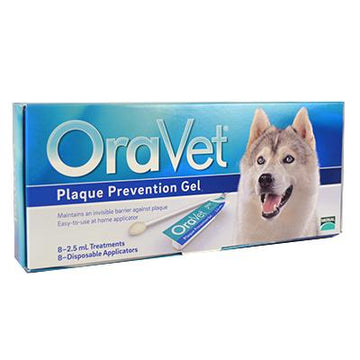
OraVet Plaque Prevention Gel Kit
$37.09 / unit
-

C.E.T. Fingerbrush for Cats & Dogs
$7.29 / unit
-
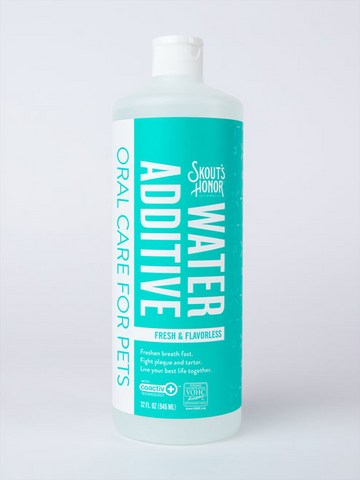
Skout's Honor Fresh & Flavorless Water Additive
$26.99 / unit
-

Oxyfresh Dental Gel
$11.95 / unit
-

Skout's Honor Peanut Butter and Bacon Flavored Water Additive
$26.99 / unit


- 1
- 2
Frequently asked questions
Do dental treats for cats really work?
Do dental treats for cats really work?
Yes, dental treats for cats are beneficial in maintaining oral hygiene. Quality dental treats can help reduce plaque buildup, freshen breath, and support gum health. Regular use of cat dental treats may also lower the risk of developing conditions like cat periodontal disease. While they aren't a substitute for regular brushing, dental chews for cats offer an additional protective measure in your cat’s dental routine.
What are the best dental treats for cats?
What are the best dental treats for cats?
The best dental treats for cats typically have the Veterinary Oral Health Council (VOHC) seal, indicating they've been scientifically proven to reduce plaque and tartar effectively. Look for cat teeth cleaning treats specifically formulated to address feline oral care, offering textures that help scrape away plaque as cats chew. Always choose products made from safe ingredients and consider veterinarian-approved cat dental medicine and dental-specific cat supplements for comprehensive care.
How often should a cat have dental treats?
How often should a cat have dental treats?
Cats can generally benefit from daily dental treats. Providing dental chews for cats regularly helps control plaque and maintain gum health. However, moderation is key—use treats as a supplemental part of their diet, never as a primary food source. Balancing dental treats with nutritious cat food ensures your cat maintains optimal dental and overall health.
How do I make my cat's breath smell better?
How do I make my cat's breath smell better?
Improving your cat’s breath involves addressing oral hygiene directly. Regular brushing with veterinarian-approved cat toothpastes, combined with dental treats for cats, can significantly reduce bad breath. Additionally, maintaining regular veterinary dental check-ups and using quality dental chews for cats can manage bacteria and prevent foul odors associated with poor cat tooth health. Persistent bad breath may also indicate underlying health issues requiring professional evaluation.
Can I give my cat dental treats instead of brushing?
Can I give my cat dental treats instead of brushing?
While dental treats for cats are beneficial, they should not completely replace regular tooth brushing. Brushing is more effective at removing plaque beneath the gum line, an area dental treats may not fully reach. Ideally, combine regular brushing with feline dental chews to ensure comprehensive oral care. If brushing proves challenging, consider seeking advice on cat dental medicine from your veterinarian for additional support.
What happens if you never clean your cat's teeth?
What happens if you never clean your cat's teeth?
Neglecting to clean your cat’s teeth can result in severe oral health issues, including painful gingivitis, periodontal disease, tooth loss, and systemic infections that may affect vital organs like the heart and kidneys. Without regular cleaning or dental chews for cats, plaque builds up rapidly, leading to tartar formation, inflammation, and infections. Understanding cat tooth health and how to maintain it can help avoid these serious outcomes.
It’s important to clean every one of your cat’s teeth. How many teeth do cats have? Adult cats have 30 teeth, and it’s crucial to ensure every tooth is clean to keep them healthy and happy.
In addition to dental care, remember to manage overall feline health proactively, including regular check-ups and preventive care like flea medicine for cats, to keep your cat in peak condition.

