Filter by
Heartworm Medicine for Cats
Heartworm in cats can’t be treated—but it can be prevented. Shop medications to prevent heartworm in cats.
-
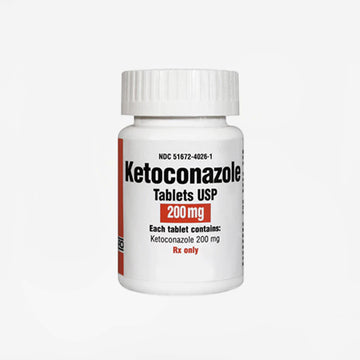
Ketoconazole (Rx)
$0.94 / unit
Multiple options available
-
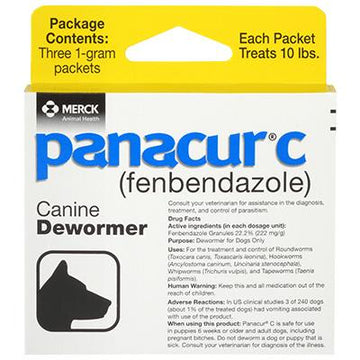
Panacur C
$9.99 / unit
Multiple options available
-
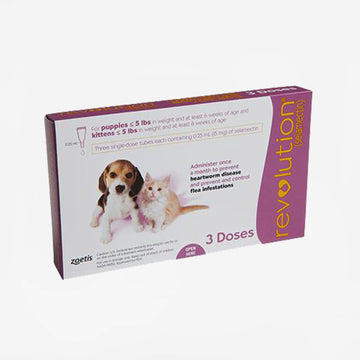
Revolution for Puppies & Kittens - 3 months (Rx)
$71.33 / unit
20% off for a limited time Use code FLEATICK20 -
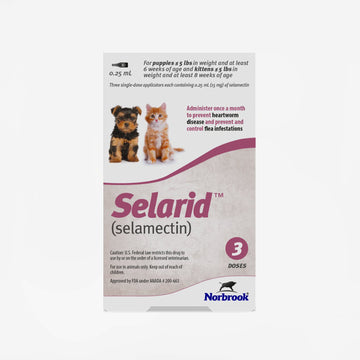
Selarid for Puppies & Kittens - 1 month (Rx)
$12.93 / unit
20% off for a limited time Use code FLEATICK20 -

Minocycline (Rx)
$0.26 / unit
Multiple options available
-
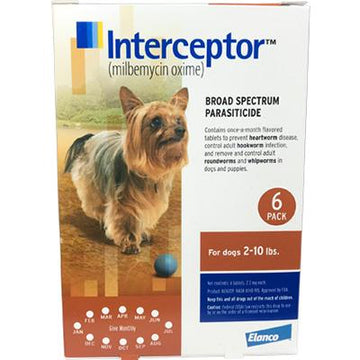
Interceptor (Rx)
$51.18 / unit
Multiple options available
-
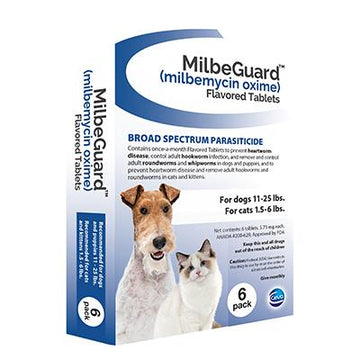
MilbeGuard Flavored Tablet (Rx)
$28.59 / unit
Multiple options available
-
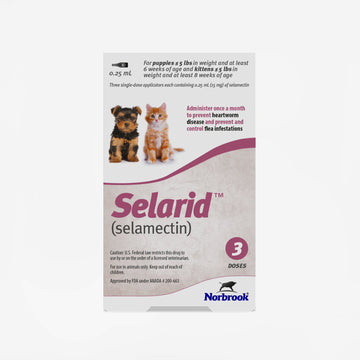
Selarid for Puppies & Kittens - 3 months (Rx)
$38.80 / unit
20% off for a limited time Use code FLEATICK20 -
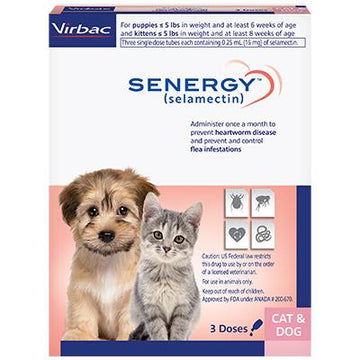
Senergy Puppy/Kitten Topical Solution (Rx)
$42.83 / unit
20% off for a limited time Use code FLEATICK20

Frequently asked questions
What are the symptoms of heartworm in cats?
What are the symptoms of heartworm in cats?
Heartworm is not nearly as common in cats as in dogs, but it is possible for cats to contract the parasite. In cats, heartworms typically remain in their immature stage, rather than maturing to adult worms. Still, heartworm can lead to serious health problems.
Common signs that your cat may have heartworm include respiratory issues, like breathing problems and coughing, vomiting, loss of appetite, and rapid weight loss. In some cases, heartworm can also lead to difficulty walking, fainting, and seizures.
Unlike dogs, there isn’t a medication available that can effectively cure heartworm in cats. Once a cat has contracted heartworm, they must rely on their own immune system to protect them against the disease.
How do cats get heartworm?
How do cats get heartworm?
Heartworm is transmitted from animal to animal via mosquito bites. A mosquito can pick up heartworm larvae from one animal’s bloodstream and deposit it into another animal’s bloodstream. Once in the bloodstream, microscopic heartworm larvae grow over a 2-week period into heartworms.
Each infected mosquito bite transmits a single heartworm, but over the course of a few years, this can lead to several heartworms in your cat’s bloodstream.
What is the best heartworm medicine for cats?
What is the best heartworm medicine for cats?
Because there is no cat heartworm medicine to cure heartworm, preventative heartworm medicine is a must.
Brands like Revolution Plus offer both topical and oral heartworm medicines for cats that provide year-round protection, any of which can be prescribed by your veterinarian. These cat heartworm meds typically contain a range of flea and tick preventatives, protecting against hookworms, roundworms, fleas, ticks, and ear mites. Broad-spectrum flea, tick, and parasite protection is an important part of your cat’s healthcare routine.
Get your heartworm medication for cats from Dutch’s online pet pharmacy. Dutch members get free shipping on pharmacy orders.
Are there any side effects of heartworm medicine for cats?
Are there any side effects of heartworm medicine for cats?
Preventative heartworm pills for cats and topical heartworm medicine for cats are typically fairly safe, but there is the possibility of rare side effects including vomiting and diarrhea. In the case of topical heartworm medication, your cat may experience hair loss at the application site.
If your cat is experiencing adverse side effects from their heartworm medication, contact your vet. They can assess the severity of the side effects and determine whether to continue the current treatment or explore different options.
How often do cats need heartworm medicine?
How often do cats need heartworm medicine?
Each cat heartworm medicine has its own instructions in terms of usage and frequency. Some treatments are given monthly, whereas others provide 6 or even 12 months of protection. Refer to veterinary and medication instructions whenever using heartworm medications.

