Filter by
Dog Incontinence Medication
Find effective bladder control medicine for dogs at Dutch. Help your furry friend with our range of dog incontinence medication.
-

AeroDawg CAC (Rx)
$79.79 / unit
Multiple options available
-
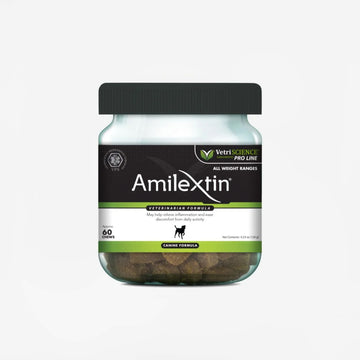
VetriScience Amilextin
$47.16 / unit
-
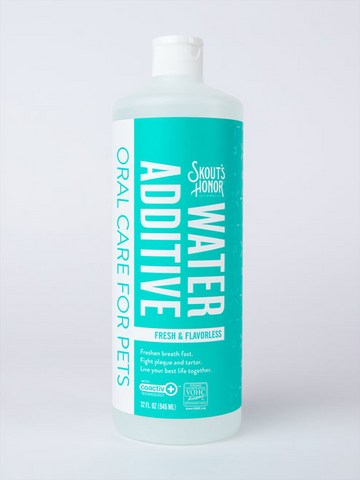
Skout's Honor Fresh & Flavorless Water Additive
$26.99 / unit
-
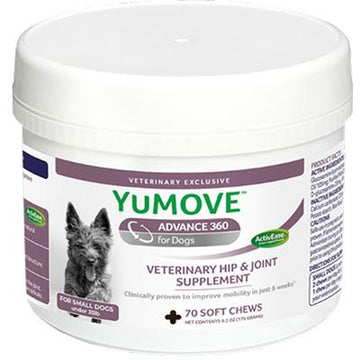
YuMOVE ADVANCE 360 Soft Chews for Dogs
$49.01 / unit
Multiple options available
-

Solliquin Soft Chews
$21.09 / unit
-

Pill Crusher
$13.69 / unit
-

Percorten-V Suspension (Rx)
$233.08 / unit
-
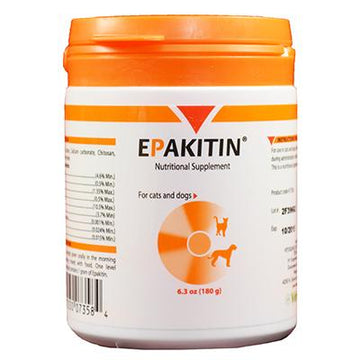
Epakitin Powder for Cats & Dogs
$35.49 / unit
Multiple options available
-
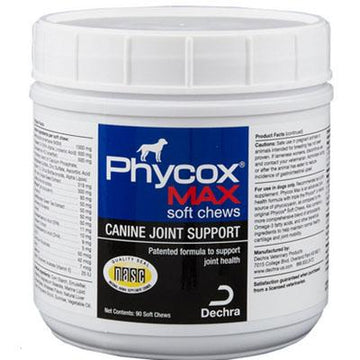
Phycox Max Soft Chews for Dogs
$98.18 / unit
-
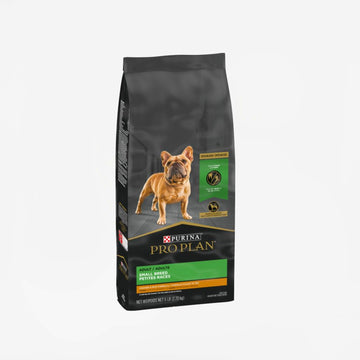
Purina Pro Plan Adult Small Breed Chicken and Rice Formula Dog Food
$21.06 / unit
-
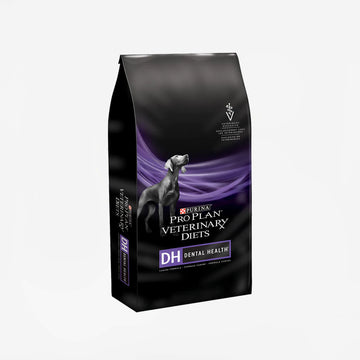
Purina Pro Plan Veterinary Diets DH Dental Health, Canine Formula
$76.99 / unit
-
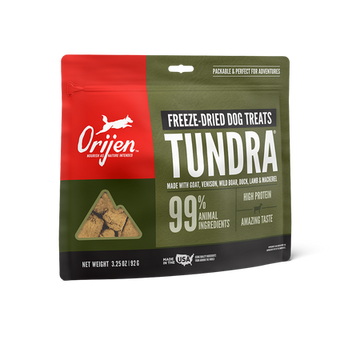
Orijen Tundra Freeze-Dried Dog Treats
$16.99 / unit
-

Orijen Six Fish Recipe Dry Dog Food
$71.29 / unit
-

Tumil-K Powder
$56.08 / unit
-

Ketorolac Ophthalmic Solution (Rx)
$183.09 / unit
-
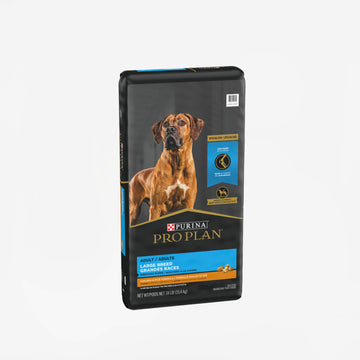
Purina Pro Plan Adult Large Breed Chicken and Rice Formula
$77.48 / unit
-
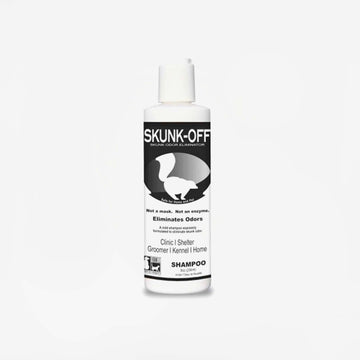
Thornell Skunk-Off Shampoo
$11.59 / unit
-
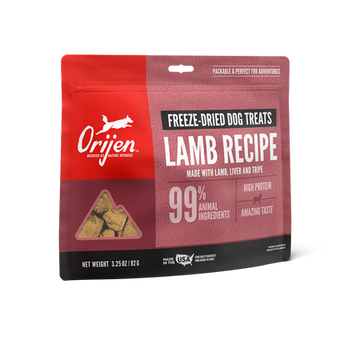
Orijen Lamb Freeze-Dried Dog Treats
$16.99 / unit
-

Orijen Original Freeze-Dried Dog Food Medallions
$42.99 / unit
-
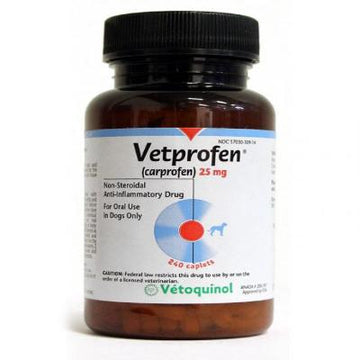
Vetprofen Caplet (Rx)
$108.49 / unit
Multiple options available


Frequently asked questions
What causes incontinence in dogs?
What causes incontinence in dogs?
Dog urinary incontinence often stems from urethral sphincter mechanism incompetence (USMI), especially in spayed females. Other causes include urinary tract infections, bladder stones in dogs, neurological disorders, congenital abnormalities, aging, hormonal deficiencies, and spinal injuries1. Obesity may worsen symptoms.
A Dog Urinalysis Wellness Kit (UA with sedimentation analysis and UPCR) can help detect infections or crystals. Environmental factors like reduced physical activity and skin irritation can further impact bladder control.
What is the best treatment for incontinence in dogs?
What is the best treatment for incontinence in dogs?
The best treatment for dog incontinence depends on the cause. Dutch-affiliated vets often recommend Incurin (Rx), which contains estriol as its active ingredient, strengthening the bladder sphincter.
Supportive steps like regular bathroom breaks, maintaining a healthy weight, and waterproof bedding help daily management. Addressing issues like obesity or skin irritation can improve outcomes. Read our guide on Incurin or Proin for dogs for a detailed comparison.
What medication is given to dogs for incontinence?
What medication is given to dogs for incontinence?
Prescription medications for incontinence in dogs include.
- Incurin (estriol): Commonly prescribed for hormone-responsive urinary incontinence.
- Phenylpropanolamine (PPA): Increases urethral tone and is suitable for bladder control.
Depending on your dog's condition, vets may recommend one or both. Dutch offers easy consultations to prescribe the right medication for incontinence in dogs if appropriate. Monitoring for adverse reactions is important during treatment.
Can you buy dog incontinence medication over the counter?
Can you buy dog incontinence medication over the counter?
No, most effective medications require a prescription. Over-the-counter supplements lack the clinically proven efficacy of prescription treatments and do not provide long lasting protection.
If you notice signs of incontinence, talk to a vet through Dutch to ensure your dog gets the right care. A vet may recommend appropriate bladder medications and ensure follow-up care for your dog if needed.
Are there side effects of incontinence medication for dogs?
Are there side effects of incontinence medication for dogs?
Dog incontinence medication is generally safe, but side effects can occur.
- Incurin may cause mild vaginal swelling, increased thirst, or appetite changes.
- PPA can occasionally cause restlessness, mild gastrointestinal upset, or elevated blood pressure.
Always monitor your dog closely and share updates, photos, or videos with your Dutch-affiliated vet. Promptly reporting adverse reactions can help manage your dog's treatment plan.
Helping your dog manage urinary incontinence with appropriate treatment can greatly improve their comfort and your peace of mind. If your dog shows symptoms such as your old dog peeing in the house, early intervention is key to restoring their quality of life.

