Filter by
Dog Toothbrushes
Improve your dog’s at-home dental care routine with dog toothbrushes. Designed for comfort and effectiveness, these dog toothbrushes feature soft bristles, making caring for your dog’s teeth at home easy.
-
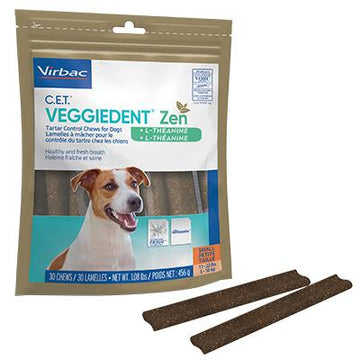
C.E.T. VEGGIEDENT Zen Chews for Dogs
$28.49 / unit
Multiple options available
-

C.E.T. Fingerbrush for Cats & Dogs
$7.29 / unit
-
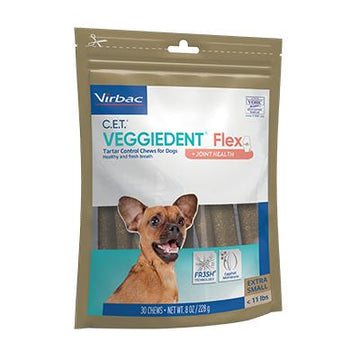
C.E.T. VEGGIEDENT Flex Chews for Dogs
$28.19 / unit
Multiple options available
-
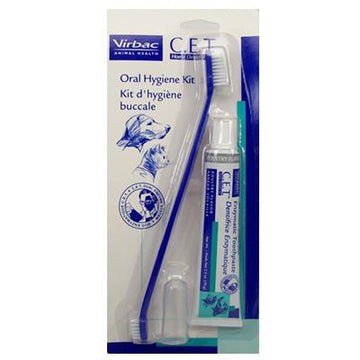
C.E.T. Oral Hygiene Kit for Cats & Dogs
$15.29 / unit
-
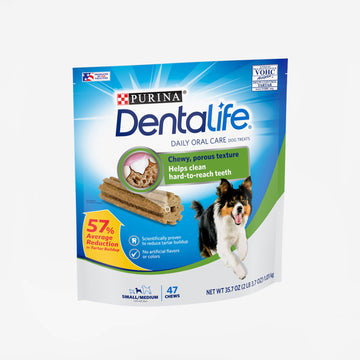
Purina DentaLife Daily Dental Chews Treats
$35.68 / unit
Multiple options available
-
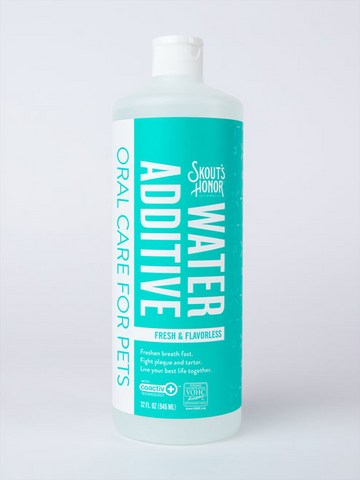
Skout's Honor Fresh & Flavorless Water Additive
$26.99 / unit
-

Oxyfresh Dental Gel
$11.95 / unit
-

Skout's Honor Peanut Butter and Bacon Flavored Water Additive
$26.99 / unit
-
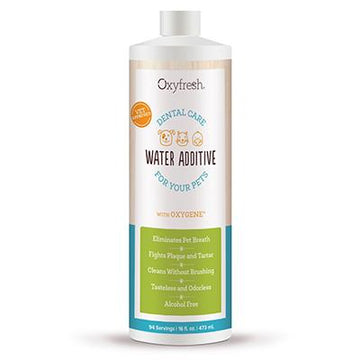
Oxyfresh Water Additive
$17.95 / unit


- 1
- 2
Frequently asked questions
Can you use a human toothbrush on a dog?
Can you use a human toothbrush on a dog?
You should never use a human toothbrush on a dog because they’re designed for our teeth and gums, which differ from those of dogs. Instead, you should only use a toothbrush for dogs. Dog toothbrushes are specifically designed to accommodate the shape of a dog’s mouth and teeth, making them more effective and comfortable for your pet.
Additionally, human toothbrush bristles may be too harsh for a dog’s sensitive gums and can potentially cause discomfort or injury.
Similarly, you should never use human toothpaste on a dog. Human toothpaste often contains ingredients like fluoride and foaming agents, which can be harmful if ingested.
Conversely, dog toothpaste is formulated specifically for canine dental care needs. It’s safe for dogs to swallow and comes in delectable flavors like poultry and beef, making the brushing experience more enjoyable.
What type of toothbrush is best for dogs?
What type of toothbrush is best for dogs?
The best dog toothbrush is one that suits your dog’s size, breed, and individual needs. Some popular options include:
- C.E.T. Dual Ended Dog & Cat Toothbrush: This dog toothbrush features dual-ended bristles for different tooth sizes.
- C.E.T. Oral Hygiene Kit for Cats & Dogs: This kit includes a toothbrush and enzymatic toothpaste.
- C.E.T. Fingerbrush for Cats & Dogs: The fingerbrush is a convenient option for gentle brushing and massaging, making it easier to introduce your dog to the sensation of having their teeth brushed.
What’s most important is choosing a toothbrush that’s comfortable for both you and your dog and allows you to clean their teeth and gums effectively.
Use your dog’s toothbrush and toothpaste as part of a comprehensive at-home oral care routine when used in conjunction with water additives and dental chews.
These products (and more!) are available at our online pet pharmacy, and Dutch members get free shipping on all orders.
Are finger toothbrushes good for dogs?
Are finger toothbrushes good for dogs?
Finger toothbrushes are some of the most popular dental care products for dogs, especially those resistant to traditional toothbrushes. These brushes fit over your fingertip and allow for more precise control during brushing. They’re also softer and gentler, making them suitable for dogs with sensitive gums or those new to dental care routines.
How often should I brush my dog’s teeth?
How often should I brush my dog’s teeth?
Ideally, you should brush your dog’s teeth every day. Brushing your dog's teeth daily can reduce the risk of dental health issues like plaque and tartar buildup and periodontal disease while freshening their breath. Consistency is crucial for seeing positive results, so you should establish a regular brushing schedule.
For instance, you can brush your dog’s teeth in the morning or at night before bed. Consistency in training your dog to have their teeth brushed will also help them get more accustomed to it, so eventually, the process will get easier over time.
Is it too late to brush my dog’s teeth?
Is it too late to brush my dog’s teeth?
Regardless of age, it’s never too late to start brushing your dog’s teeth. While it’s best to begin dental care routines when your dog is young to prevent dental issues from developing, older dogs can still benefit from regular tooth brushing.
Be patient and gentle when introducing brushing to an older dog, gradually increasing the frequency as the dog becomes more comfortable with the process. Remember that even small dental care improvements can significantly benefit your dog’s overall health.

