Prednisolone (Rx)

Prednisolone (Rx)
Why our vets recommend it
Prednisolone quickly reduces inflammation to help treat an array of conditions in dogs and cats, including allergies, skin issues, autoimmune conditions, and inflammatory bowel disease.
Medication information
What is prednisolone?
What is prednisolone?
What does prednisolone treat?
What does prednisolone treat?
Some conditions that prednisolone treats include:
- Allergies
- Skin conditions, including itching and hot spots
- Hives
- Autoimmune conditions
- Asthma
- Addison’s disease
- Inflammatory bowel disease
- Some cancers
- Other inflammatory conditions
How is prednisolone given?
How is prednisolone given?
Who is prednisolone for?
Who is prednisolone for?
What are the active ingredients of prednisolone?
What are the active ingredients of prednisolone?
What are the possible side effects of prednisolone?
What are the possible side effects of prednisolone?
Potential side effects vary and some pets may be more sensitive than others. Often side effects are more frequent at the higher doses and include increase in thirst, urination, and hunger. Less common reactions include panting and changes in behavior, which include agitation and aggression. Prolonged treatment is associated with dry poor coat quality, hair loss, thin skin, weight gain, muscle weakness, pot belly appearance, and increased risk for the development of secondary urinary tract and skin infections and diabetes mellitus.
If any unwanted side effects or changes in behavior or health are detected, this medication should be discontinued and our veterinarians should be notified.
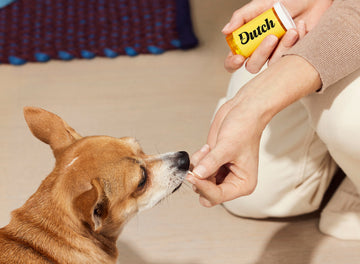
How online vet care works
Safety Information
If you witness or suspect an overdose, contact your veterinarian or an animal poison control center for further advice. Animal poison control centers that are open 24 hours a day include: Pet Poison HELPLINE (855-764-7661) and ASPCA Animal Poison Control Center (888-426-4435); a consultation fee is charged for these services.2
Warnings
Side effects that may be serious or indicate a serious problem: Stomach or intestinal ulcers/perforation/bleeding. If your animal stops eating, or you see a high fever, black tarry stools or bloody vomit (coffee ground appearance), contact your veterinarian immediately.
After using the drug for several weeks or more: Weight gain, pot belly, skin or coat changes, hair loss, or weakness, any of which may mean the dose is too high. If you see any of these side effects, contact your veterinarian immediately. Excessive thirst and urination with excessive appetite in the face of weight loss.
These signs can be seen commonly with this drug, but may also indicate diabetes. Severe behavioral changes (eg, aggression/threatening actions). Contact your veterinarian immediately if this occurs. Low energy level may indicate an infection. Because prednisone can suppress immune function when used at high dosages, patients are susceptible to infections.
Lethargy may be the only sign you see as the typical signs (fever, frequent or painful urination) alerting you of an infection are masked by the medication. If you are concerned about the possibility of infection, contact your veterinarian immediately.2
Human Warnings
There are no specific precautions required when handling this medication unless you are allergic to it. Wash your hands after handling any medication.2
References
“Prednisolone.” PubChem Compound Summary for CID 5755, U.S. National Library of Medicine, https://pubchem.ncbi.nlm.nih.gov/compound/Prednisolone#section=Human-Drugs.
Animal Health Group. Prednisolone/Prednisone Information Sheet. June 2024, https://animalhealthgroup.com/wp-content/uploads/2024/06/Prednisolone-_-Prednisone.pdf.