6 Min Read
How to Stop Dog From Counter Surfing
Key takeaway
Why pet owners are switching to online vet care with Dutch
-
Prescriptions delivered free to you
-
Fast access to Licensed Vets over video
-
Unlimited video visits and follow-ups
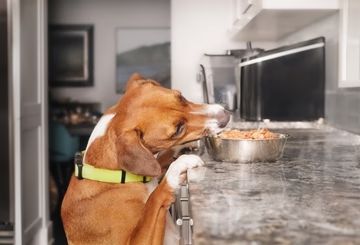
You’ve just made lunch and set your plate down to grab something from the fridge. Your dog is in the kitchen with you, but you don’t mind because they’re your best pal. Then, you return to your food and see a handful of crumbs or a bite taken from your sandwich. The culprit is currently wagging their tail and licking their lips with a perfectly innocent, happy expression. The conclusion? Your dog is a counter surfer.
Counter surfing poses a few risks, depending on what your dog gets their paws on. Dogs shouldn’t consume human food regularly, so if your pup is constantly snatching your snacks, it can give them unpleasant symptoms in the long run. Fortunately, this behavior can be managed with proper training and by eliminating temptation for your dog.
Do you have a counter surfing canine on your hands? Keep reading to find out more about stopping the problem and gaining peace of mind.
What is Counter Surfing?
Counter surfing is when a dog takes food or other items off surfaces, such as kitchen counters. Food is usually placed on kitchen counters, which is where the term comes from. However, dogs will also steal things from tables, chairs, or any other reachable surface with something enticing on top.
So, why do dogs counter surf? One reason is that our canine friends are inherently opportunistic eaters, meaning they'll usually seize any chance to get food. It might be more common in certain breeds, but many dogs counter surf.
Some pups might feel insecure about their food supply, which can lead to counter surfing. This doesn’t mean you're feeding your dog too little, but it might point to some lingering anxiety in your canine that should be addressed. However, even non-anxious dogs might counter surf, simply because they've learned that the kitchen counters often have delicious human food.

Sometimes, dogs counter surf to get attention. Even if you reprimand them, they're still receiving attention, which makes it more likely that they'll continue to engage in the behavior. If your dog seems to counter surf when you're in the room, they might want you to pay attention to them, even if they know the behavior is wrong. Counter surfing may be a dog's way of letting you know they need more quality time with you.
A dog may also use counter surfing as a way to fend off boredom. Checking out what might be lingering on the kitchen counter offers many interesting sights and smells for a bored or under stimulated pup. It’s important to remember that mental and physical enrichment is very important for dogs. Too little enrichment can lead them to seek entertainment, and food on the counter is usually the most tempting of all.
Generally, counter surfing dogs should be discouraged. Your dog can accidentally consume something toxic (like medication left on the countertop) or experience unpleasant health issues from eating human food, like diarrhea or vomiting.1

How Do You Stop a Dog From Counter Surfing?
When a dog successfully manages to nab a tasty bit of food off the counter, it feels like a reward, and a reprimand might not be enough of a deterrent. Thankfully, this type of behavior is relatively easy to manage. Let’s look at some simple things you can do:2
- Don’t leave your dog unsupervised around food. If you know your dog is notorious for stealing food, don't leave them unsupervised. You can even use a baby gate to prevent them from entering the kitchen.
- Reward your dog when they keep all four paws on the ground. Small bits of kibble or treats work well to reward your dog.
- Verbally interrupt any attempt at counter surfing. Ideally, this should be done before your dog has a chance to grab anything. A firm vocal command will do the trick.
- Always encourage good behavior even if your dog doesn’t counter surf. This can help prevent the behavior from developing in the first place.
- Avoid placing food on the edge of the countertop. The more difficult it is for your pup to steal your food, the less likely they are to engage in the behavior.
- Provide a suitable distraction when you’re preparing meals. You can give your counter surfing dog a toy or puzzle feeder to distract them and keep them away from the kitchen.
- Teach them the “place” command. Teaching your dog “place” ensures they don’t interfere while you’re cooking or eating.
Making sure your dog receives plenty of enrichment and exercise will help deter counter surfing. If you have a puppy, it’s a good idea to teach them that jumping on or sticking their nose near the counter is bad behavior. Some dogs counter surf simply because they haven’t been taught it’s wrong.
FAQs
How do I stop my Greyhound from counter surfing?
You can discourage counter surfing with proper training. If a dog understands that it’s an undesired behavior, they'll be less likely to do it in the future. While training your dog, you can manage the issue by not leaving food within reach.
What is pica disorder?
Pica is when a dog consumes non-food substances that don’t benefit them nutritionally. They might eat or chew on things like shoes, dirt, rocks, paper, cloth, or other similar items. Reasons for pica include nutritional deficiency, boredom, anxiety, teething, or compulsion.3
What is polyphagia?
Polyphagia is the scientific term for when a dog overeats or has an excessive appetite. It’s a common trait in labradors, but can happen to any breed of dog.4

Final Notes
Counter surfing is a common behavior that most dog owners must deal with. Dogs will take advantage of any situation that allows them to get extra food, especially because our food can be particularly enticing. However, it’s best to discourage counter surfing to prevent your dog from accidentally consuming something toxic or unhealthy. Certain human foods, like grapes and garlic, are dangerous for dogs, so it’s a good idea to keep food out of your pup's reach when possible.
Training your dog not to counter surf is one of the most effective ways of preventing this behavior. If you catch your dog in the act, you can use a sharp vocal command to make them “drop it” or “leave it.” Correcting the bad behavior works well if you see your dog sniffing your lunch on the kitchen counter.
Concerned about your dog’s bad habit of counter surfing or looking for advice on how to train your dog to not do it? Dutch has you covered. We understand that owning a dog comes with many challenges. You can speak to one of our highly qualified vets from the comfort of your own home whenever it's most convenient. Get answers to all your questions and receive expert advice to keep your dog safe and healthy. Try Dutch today.
Share
References
-
Stephanie Gibeault, MSc. “How to Get Your Dog to Stop Counter-Surfing for Food.” American Kennel Club, American Kennel Club, 31 May 2023, www.akc.org/expert-advice/health/stop-dog-counter-surfing/.
-
Day, Jasey. “Counter Surfing Solutions.” AKC Pet Insurance, American Kennel Club (AKC), 11 Nov. 2022, www.akcpetinsurance.com/blog/counter-surfing-solutions.
-
Trott, Kristin, and Tiffany Snell. “Unusual Eating Habits in Dogs and Cats.” UC Davis Veterinary Medicine, University of California Davis, 2020, www.vetmed.ucdavis.edu/sites/g/files/dgvnsk491/files/inline-files/Unusual_eating_habits.pdf.
-
Batchelor, Daniel J., and Alexander J. German. “Polyphagia.” BSAVA Manual of Canine and Feline Gastroenterology, 1 Nov. 2019, pp. 46–48, https://doi.org/10.22233/9781910443361-3e.7.


