Skip the stress of a vet visit — treat your dog’s anxiety from home
Talk to a vet today to get prescription medication mailed to you. Plans start at $11/mo.

- Same-day, night & weekend appointments
- Unlimited video calls & messaging
- Prescriptions delivered free to you
- Our vets can treat 93% of anxiety issues

How online vet care works
Save time and money on vet care
No hidden fees, no surprise bills. Just one low cost for a year of vet care.
Annual
$11
/mo- Unlimited vet calls & messaging
- Custom treatment plans
- Price match guarantee
- 20% off flea & tick
- $25 off your first product order
- Free prescription delivery
Signs your dog may need anxiety treatment
Even though dogs can’t talk, their behaviors tell us when there’s an issue


Trembling or shivering
Trembling or shivering
We’ve all seen those videos of dogs shaking at the sound of thunder or fireworks. If your pet has a habit of trembling or shivering, in whatever their particular high stress scenario may be, it could be a sign of anxiety. At Dutch, we treat anxiety like the medical problem that it is. We take a holistic approach, combining medication with vet-designed behavior modification.
Fear of new places/people
Fear of new places/people
If your pup isn’t a fan of going to new places or meeting strangers, fear or anxiety could be the underlying cause of their timid behavior. Our Dutch-affiliated vets will review their list of triggers and fears to develop a plan that will get to the root of your pet’s problems and create lasting change.
Fear of being alone
Fear of being alone
Sure, it’s cute when your pet wants to be by your side all day long, but do you know how to recognize signs of their clinginess veering into separation anxiety territory? Our panel of experts do. There are only 80 vet behaviorists in the entire country and at Dutch, we work with two of them to develop medication protocols to calm your pet’s anxious brain.
Barking and/or yelling
Barking and/or yelling
Excessive barking and/or yelling is a cry for help and a major sign of dog anxiety, and shouldn’t be ignored. At Dutch, we know that medication alone isn’t the answer. Once medications help calm the anxious brain, our pets are more receptive to training. We’ll give you the tools to implement easy-to-learn training exercises, plus environmental enrichment techniques, to create lasting change in your pup’s day-to-day life.
Destructive behavior
Destructive behavior
Can’t leave the house because your pup will tear up anything in their path? Destructive behavior is a common sign of a distressed, anxious pet. Our online consultation will help us understand your pet’s triggers and symptoms so we can begin to develop their customized anxiety treatment plan. Still have questions? Our experts will get back to you with answers within 24 hours, every time.

4000+ reviews
Our top vet recommended products
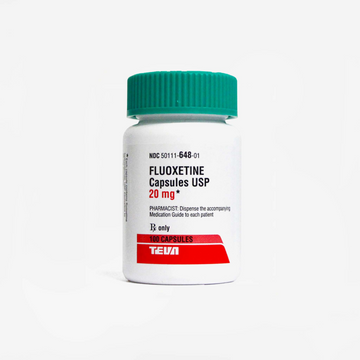
Top anxiety medication






Frequently asked questions
What can I use Dutch for?
What can I use Dutch for?
With Dutch, you’re never alone when it comes to your pet’s health. Whether your pet needs care or you just have a question, our compassionate and knowledgeable vets are always happy to help.
Here are some ways you can use Dutch:
- Care & prescriptions for over 150 issues
- Behavioral health, nutrition, and exercise advice
- Puppy, kitten, and new pet parent advice
- Preventive care plans
- Night and weekend vet care
- Second opinions & follow-up care after in-person visits
- Advice on whether you need to go to the ER or urgent care
- Vet care when you’re traveling
- Easy prescription refills
- Longevity treatment plans
- Answers to non-urgent questions
What is a visit with Dutch like?
What is a visit with Dutch like?
You and your pet will have a 10-minute video call with a licensed veterinarian. Here’s what to expect:
Before the call
When booking the call online, you'll be asked a few questions about your pet. Depending on the issue, you may need to fill out a longer questionnaire about their symptoms or share photographs of them so our veterinarians can better understand what’s going on. You’ll then pick an appointment time. Make sure your pet will be with you at that time — the vet will need to see them on the call.
During the video call
One of our vets will talk to you about the symptoms your pet is experiencing, ask you questions, review your pet’s medical history if you’ve provided it, look at your pet on camera, and answer any questions you have. They may ask you to perform some simple checks on your pet, like raising their gums, if needed.
After the call
The vet will send you a message with a custom treatment plan to help your pet feel better, including a link to buy any recommended prescription or over-the-counter medications. Place your order and we’ll ship it free. If you have any questions, you can message your vet anytime or book another appointment with the same vet to follow up.
How do I know if you can treat my pet?
How do I know if you can treat my pet?
Our vets can provide care and prescriptions for more than 150 issues — and over 90% of cases can be treated virtually.
The vet can diagnose your pet based on your description of their symptoms, their medical history, seeing them during your video call, and, if needed, through uploaded photos and videos. They may ask you to do a few simple checks during the call. We also offer a number of at-home lab test kits for dogs and cats.
The health and safety of pets is our top priority. In the rare case that a vet determines a pet needs to go to a local clinic, they’ll provide a referral and offer advice on how to care for them until they can be seen.
Some things that require in-person care include emergencies, wounds that need stitches, and issues that require blood work, imaging (X-rays or ultrasounds), or surgery.
Our vets are always available for second opinions and follow-up care after in-person vet visits — so you don’t have to navigate health issues alone.
How much will it cost for Dutch to treat my pet?
How much will it cost for Dutch to treat my pet?
Our memberships are designed to make your pet’s care as easy and affordable as possible. Here’s how your costs will break down:
Membership: You can choose to pay the total price upfront or in 4 installments. All memberships include unlimited care for up to 5 pets at no extra cost.
Vet calls and messaging: No cost — video chat and message with vets as often as you need for free.
Medication: The price will vary depending on your pet’s needs. To keep your costs down, we offer a price-match guarantee, free standard shipping, $25 off your first product order, and 20% off your first flea & tick order.
What are the symptoms of anxiety in dogs?
What are the symptoms of anxiety in dogs?
Signs of dog anxiety can include increased vigilance, drooling, depression, destructive behavior, restlessness, compulsiveness, changes in sleep, and more.1 Keep in mind, not all of these symptoms need to be present for a diagnosis of canine anxiety. If you’ve noticed any of these clinical signs, it may be time to schedule an appointment with your vet.
Why do dogs get anxious?
Why do dogs get anxious?
Dogs may experience temporary or chronic anxiety for a number of reasons. Some of the most common triggers for canine anxiety include:
- Separation from an owner
- Age-related conditions such as Cognitive Dysfunction Syndrome (CDS)
- Past trauma
- Medical issues (ie. hypothyroidism, hearing loss, and hormone changes)
- Lack of socialization as a puppy
Do some breeds have more anxiety than others?
Do some breeds have more anxiety than others?
Yes. Though any dog can experience chronic or short-term anxiety, some breeds tend to be more anxious than others, including:2-4
- Lagotto Romagnolos
- Wheaten terriers
- Spanish Water dogs
- Shetland sheepdogs
- Miniature schnauzers
- Mixed-breed dogs