7 Min Read
Affenpinscher: Pet Profile

Key takeaway
Why pet owners are switching to online vet care with Dutch
-
Prescriptions delivered free to you
-
Fast access to Licensed Vets over video
-
Unlimited video visits and follow-ups
The Affenpinscher, often called the "monkey dog" due to their distinctive facial features, is one of the most charismatic small dog breeds.1 These compact companions combine charm with confidence, making them increasingly popular among dog enthusiasts seeking a unique pet with character.
Keep reading to learn more about the Affenpinscher dog breed.
- History & Origin of Affenpinschers
- Physical Attributes of Affenpinschers
- Behavioral Characteristics of Affenpinschers
- Affenpinscher Health Risks
- Caring For an Affenpinscher
- FAQs
- Get the Best Care for Your Affenpinscher With Dutch
History & Origin of Affenpinschers
The Affenpinscher dog breed traces its roots back to 17th-century Central Europe, particularly Germany, where they were originally bred to be ratters in kitchens, stables, and shops.2 Their name, which combines "affen" (monkey) and "pinscher" (terrier), perfectly captures their distinctive appearance and spirited nature.
These small but mighty dogs evolved from rough-coated pinschers, sharing ancestry with various German terrier-type dogs. Initially larger than today's breed standard, Affenpinscher puppies and adults were gradually bred down in size to become the compact companions we know today.2
Physical Attributes of Affenpinschers
- Height: 9-11.5 inches at the shoulder
- Weight: 7-10 pounds
- Lifespan: 12-15 years3
Affenpinschers showcase distinct physical characteristics that set them apart as a shaggy dog breed with unique appeal.
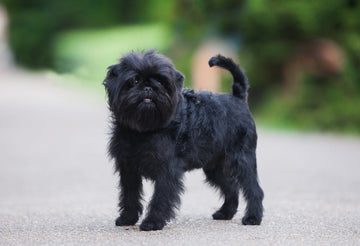
These compact dogs possess a sturdy, well-proportioned frame despite their small size. Their most striking feature is their rough coat with a distinctive, wiry texture that requires regular maintenance to keep it looking its best.4 Their rough, wiry coat provides natural protection from the elements.4
While black is the most common and traditionally preferred color, Affenpinschers come in several striking shades. Their coat can display rich variations of gray, elegant silver, warm red tones, or an extraordinary black and tan pattern, each giving the breed its own unique charm. The fur grows particularly thick around their face, creating the memorable monkey-like expression that earned them their nickname.4
The Affenpinscher's head is proportionally rounded with a short, blunt muzzle that gives them their characteristic appearance. Their dark, round eyes convey intelligence and alertness, while their small, erect ears perk up attentively to any sound. Though small in stature, they maintain a confident posture with a straight back and well-developed chest.4
Their small size makes them an excellent apartment dog choice, though they retain the sturdy build of their working dog ancestry.
Behavioral Characteristics of Affenpinschers
The Affenpinscher's personality is as distinctive as their appearance. These small dogs often display a confident and fearless demeanor. Originally bred as ratters, they've retained their bold, determined nature while adapting beautifully to companion life.3
In family settings, affenpinschers can form strong bonds with their people. They tend to be loyal and affectionate with family members, though they typically maintain the independence found in their terrier heritage. This independence can sometimes present itself during training sessions, where patience and consistency become essential tools for success.3
Affenpinschers are usually very friendly, even with people they don't know. However, they make excellent watchdogs, as they're typically alert and quick to announce visitors with their sharp, distinctive bark.3
When it comes to other pets, Affenpinschers are relatively friendly. 3 However, early socialization helps them learn appropriate interactions with other animals. Despite their sometimes feisty nature, they can learn to coexist peacefully with other pets when properly introduced and supervised.
Training an Affenpinscher works best with positive reinforcement methods, as they (like most dogs) respond well to praise and rewards. However, their independent nature means they may not be as eager to please as some other breeds, preferring to make their own decisions about when and how to comply with commands.
Keep in mind that every dog is different, and while some traits are common in certain breeds, your dog's personality will depend on their training and early life.
Affenpinscher Health Risks
While Affenpinschers are generally healthy dogs, they can face certain breed-specific health challenges that potential owners should understand. Regular veterinary check-ups and preventive care play crucial roles in maintaining their well-being and catching potential issues early. Here are the most common health concerns to watch for:
- Hip dysplasia: Though less common in small breeds, this condition can affect Affenpinschers and may lead to mobility issues and discomfort if left untreated. Regular monitoring and maintaining a healthy weight helps reduce risk.
- Luxating patellas: This knee condition occurs when the kneecap moves out of position, causing the dog to skip or hop while walking. Surgery may be required in severe cases.
- Heart problems: Some Affenpinschers can develop heart conditions, particularly mitral valve disease (MVD), which requires regular monitoring and sometimes medication.
- Eye conditions: Their prominent eyes make them susceptible to various eye problems, including cataracts.
- Respiratory challenges: Their shortened facial structure can sometimes lead to breathing difficulties, especially in hot weather or during intense exercise. Monitoring their breathing and avoiding overexertion helps manage this risk.1
Caring For an Affenpinscher
Taking care of an affenpinscher means meeting specific needs to ensure their health and happiness. These small dogs need regular attention to stay healthy and happy. Here's what you need to know:
- Grooming: Their wiry coat needs consistent care to stay healthy. Brush them two to three times weekly to prevent mats and tangles. Professional grooming every two months helps maintain their signature look and keeps their coat in good condition.
- Exercise: Going for a daily walk and spending time playing indoors will keep your affenpinscher fit and happy. While they don't need intense exercise,3 they enjoy active play sessions with their family. Food and water: Feed them high-quality small-breed dog food twice a day. Keep portions moderate and consistent to prevent weight gain. Fresh water should always be available, and treats should make up no more than 10% of their daily food intake.
- Training: Start training early using rewards and praise to build good habits. These dogs are known for being smart but may require some patience. Keep training sessions short and maintain a positive energy to keep their focus.
- Dental care: Regular tooth brushing prevents dental problems that are common in small breeds. Schedule cleanings as recommended by your veterinarian. Good dental care can help prevent other health issues down the road.
- Living space: They adapt well to apartment living but need a secure area for exercise and play. Make sure they have a comfortable bed away from drafts. Their small size means they're sensitive to temperature extremes, so maintain a comfortable environment.
- Vet visits: Schedule regular check-ups to catch potential health issues early. Keep up with vaccines and preventive care based on your vet's recommendations. Regular monitoring helps prevent common issues like luxating patellas from becoming serious problems.
FAQs
Are Affenpinschers high maintenance?
Affenpinschers require regular grooming and attention, but aren't exceptionally high maintenance compared to other breeds. Their wiry coat needs brushing several times a week and grooming every couple of months to prevent matting and keep them looking their best.
While these dogs need consistent care, their exercise needs are moderate. A daily walk and some playtime is usually enough. They're also relatively adaptable to different living situations, making them manageable for most owners. The biggest commitment is maintaining their grooming routine and ensuring they get enough social interaction.
Are Affenpinschers cuddly?
Every dog is different, and Affenpinschers are known for having distinct personalities. In general, these dogs can bond closely with their families but prefer to show affection on their own terms. They tend to be loving with their owners but may have an independent streak that's typical of their terrier heritage.
Some enjoy cuddling and will happily curl up in your lap, while others prefer sitting nearby, showing affection in their own way. Their confident personalities mean they're usually happy to spend some time alone but will also seek out attention when they want it.
What issues do Affenpinschers have?
Common challenges include potential stubbornness during training and the need for regular grooming. Like any breed, they can be strong-willed and may take longer to house train. Health-wise, they can develop issues like luxating patellas and dental problems, which is why regular vet check-ups are important.
Keep in mind that these issues are possible with all dogs and are not specific to the affenpinscher dog breed. With proper training and attentiveness, you can manage many of these issues. Ultimately, you should understand what to expect and be prepared to address any issues before they become problems.

Get the Best Care for Your Affenpinscher With Dutch
Your Affenpinscher deserves the best possible care throughout their life. With our online pet pharmacy and veterinary service, pet parents like you can access expert care, advice, and medication when you need it most. Visit our membership plans page to join Dutch and give your pet access to quality healthcare from home.
Need medication or veterinary advice? Our convenient online platform connects you with experienced vets who understand small breed needs. Become a member today.
Share
References
-
“Affenpinscher.” PetMD, www.petmd.com/dog/breeds/affenpinscher.
-
Galagan, Sherry. “Breed History.” Affenpinscher Club of America, www.affenpinscher.org/about-affens/breed-history.
-
“Affenpinscher”. “American Kennel Club.” American Kennel Club, 6 Nov. 2017, www.akc.org/dog-breeds/affenpinscher/.
-
Official Standard of the Affenpinscher General Appearance, images.akc.org/pdf/breeds/standards/Affenpinscher.pdf.


