8 Min Read
Komondor: Pet Profile
Key takeaway
The Komondor, an ancient Hungarian breed, is known for its protective instincts. While excelling as a guardian, it's also a beloved family pet. Understanding their needs and health risks can ensure their well-being.
Why pet owners are switching to online vet care with Dutch
-
Prescriptions delivered free to you
-
Fast access to Licensed Vets over video
-
Unlimited video visits and follow-ups
The Komondor dog is an ancient breed and livestock guardian with a history dating back centuries. Originating from Hungary, the Komondor has a distinctive mop-like coat and is known for its loyalty, intelligence, and protective instincts.
Today, the Komondor dog breed has also found its place as a beloved family pet and guardian. Keep reading to learn more about this corded-coated dog, its origin, traits, and health risks.
- History & Origin of Komondors
- Physical Attributes of Komondors
- Behavioral Characteristics of Komondors
- Komondor Health Risks
- Caring For a Komondor
- FAQs
- Final Notes
History & Origin of Komondors
The Komondor is a Hungarian breed that served as a guardian for livestock, particularly sheep and cattle, to protect them from coyotes, bears, and other animals. Developed by Hungarian shepherds, the breed's primary role was to protect these animals from predators that roamed the Hungarian plains.[1,2]
Believed to have descended from ancient herding and guardian dogs like the Russian Ovcharka, the Komondor developed distinctive characteristics suited to its environment and duties. Its thick, corded coat provides insulation against harsh weather conditions and acts as natural armor, protecting it when confronting predators.2
For centuries, Komondors were highly valued for their loyalty, intelligence, and fearlessness in the face of danger. As agriculture and farming practices evolved, the Komondor's role as livestock guardian became less vital. However, its reputation as a protector and devoted companion is why it's still around today.1
The Komondor gained recognition from the American Kennel Club in 1937. However, World War II almost wiped the breed out. Luckily, after the war, dogs were imported from Hungary and elsewhere, allowing American breeders to reestablish the Komondor population.1

Physical Attributes of Komondors
- Height: 25.5- 27.5 inches
- Weight: 80-100 pounds
- Lifespan: 10-12 years3
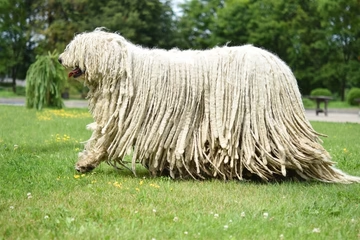
Komondors are remarkable dogs, recognized for their imposing stature and distinctive white corded coat. These majestic canines typically stand tall, with males reaching heights between 26 to 28 inches at the shoulder. Females are slightly smaller.4
Their robust build, coupled with a weight ranging from 80 to 100 pounds or more, demonstrates their strength and endurance. The most well-known feature of the Komondor is its dense, corded coat, which forms naturally over time and provides both insulation and protection.
Beneath this shaggy coat is a muscular body with a deep chest, strong legs, and a powerful stride, reflecting their heritage as capable livestock guardians. Their heads are broad and adorned with dark, almond-shaped eyes that convey intelligence and alertness.4
Despite their imposing appearance, Komondors possess a gentle and affectionate disposition while remaining vigilant and protective of their homes and loved ones.3
Behavioral Characteristics of Komondors
Komondors are renowned for their exceptional behavioral characteristics, which combine intelligence, loyalty, and a strong protective instinct. Bred for centuries as livestock guardians, these dogs typically exhibit a deep sense of devotion to their families and territories.1 They may be inherently wary of strangers and possess a natural suspicion towards anything unfamiliar, making them excellent watchdogs.3
Despite their imposing size and protective nature, Komondors are known to be gentle and affectionate companions with those they trust.1 They tend to form strong bonds with their families and are particularly gentle and patient with children. However, their protective instincts can make them distrustful towards people and other pets, and early socialization is essential to help them distinguish between friend and foe.3
Komondors are independent thinkers, a trait that comes from their history as working dogs left alone to guard livestock for extended periods.1 However, despite this independence, they tend to be relatively easy to train.3 Consistent training, combined with positive reinforcement, helps ensure they become well-behaved members of the family.
In addition to their protective nature, Komondors are known for their calm and dignified demeanor.1 As with any breed, early socialization, regular exercise, and mental stimulation can prevent boredom or destructive behavior.
Overall, Komondors are known to be loyal, intelligent, and courageous companions, ideally suited for families seeking a devoted guardian and friend.
Komondor Health Risks
The Komondor is a magnificent breed. However, like all dog breeds, they’re susceptible to certain health risks. Understanding these potential issues can help owners provide the best care for their beloved pets. Common health risks associated with Komondors include:
- Cataracts: Cataracts can cause cloudiness in the eyes, leading to impaired vision or blindness if left untreated. Regular vet visits can help detect cataracts early, and surgery may be necessary to restore vision and improve the dog's quality of life.
- Entropion: Entropion is a condition that causes the eyelid to roll inward, leading to irritation, discomfort, and even damage to the cornea due to constant friction. Surgical correction is often required to prevent further complications and alleviate the discomfort associated with entropion.
- Hip dysplasia: Hip dysplasia can lead to pain, lameness, and reduced mobility in affected Komondors. While this condition can't be prevented, it can be managed.
- Hypothyroidism: Hypothyroidism may lead to weight gain, lethargy, and skin problems. Treatment can help manage hormone levels and alleviate symptoms, allowing dogs with hypothyroidism to live comfortably.
- Skin disorders: Skin issues like allergies and dermatitis are common in many dogs, including Komondors. Proper grooming, regular bathing, and monitoring for signs of irritation can help prevent and manage skin issues.5

Caring For a Komondor
While caring for a dog is generally similar regardless of breed, you should always consider your specific dog's unique needs to ensure they're being met. Follow these guidelines to care for your Komondor:
Preventive veterinary care
Regular veterinary care is essential for monitoring your Komondor's overall health and addressing potential issues early. Vaccinations and parasite control should be part of their preventive healthcare routine. Check with your vet to determine an annual wellness exam schedule that works for you.
Grooming
Due to their corded coat, Komondors have specific grooming requirements. Their coat needs regular maintenance to prevent matting and keep it clean and healthy.1 Grooming sessions should include bathing with a gentle dog shampoo, careful drying to avoid mildew, and separating the cords by hand to prevent them from clumping together.
Exercise
Despite their imposing size, Komondors don't have excessively high exercise needs.3 However, they require regular physical activity to stay healthy and mentally stimulated.
To fulfill their exercise needs, daily walks, play sessions, and opportunities for free exploration in a secure area are recommended. Komondors also enjoy activities that engage their natural instincts, such as obedience training, agility, or even herding exercises, if available.
Socialization
Early and ongoing socialization is crucial for Komondors to develop into well-adjusted and confident dogs. Exposing them to various people, animals, environments, and situations from a young age helps prevent fearfulness and aggression towards unfamiliar stimuli.
Nutrition
Providing your dog with a balanced diet is essential for maintaining your Komondor's health and well-being. Choose nutritious dog food appropriate for their age, size, and activity level. You should also monitor their weight to prevent obesity, which can worsen health issues like hip dysplasia.
Get diet and nutrition advice by signing up for a Dutch membership to ensure your Komondor dog gets all the vitamins and minerals it needs for a healthy life.
Environment
Ensure your home is a safe and comfortable environment for your Komondor. Provide them with a designated sleeping area that’s quiet and free from disturbances, as well as access to fresh water and shelter from extreme weather conditions.

FAQs
Are Komondors born with dreadlocks?
No, Komondors are not born with dreadlocks. Instead, their distinctive corded coat begins to develop as they grow older. When Komondor puppies are born, they have soft, fluffy coats similar to many other breeds.
However, as they mature, their puppy coat gradually transforms into the iconic corded locks that the breed is known for. Cords begin forming between the ages of eight and twelve months and continue throughout the dog's life.1
Are Komondor dogs friendly?
Every dog has its unique personality. While Komondors are known for their loyalty and devotion to their families, they can also be wary of strangers and exhibit protective instincts.
Early socialization and healthy, positive experiences with people and other animals are essential for shaping a Komondor's behavior and helping them become well-adjusted and friendly companions. With proper training, socialization, and positive reinforcement, many Komondors can be friendly and affectionate with familiar people and animals.
However, individual personalities and experiences can influence a Komondor's behavior, so it's essential to understand and respect each dog's boundaries and temperament.
Are Komondors high-maintenance?
Komondors can be considered high-maintenance primarily due to their grooming needs. Their corded coat requires regular and thorough maintenance to prevent matting and keep it clean and healthy.
Grooming sessions can be time-consuming and labor-intensive, involving bathing, drying, and carefully separating the cords by hand to ensure they don't clump together. Additionally, Komondors may need more frequent grooming than other breeds, and their coat can take several days to dry completely after bathing.
Final Notes
The Komondor dog is a remarkable breed with an imposing stature and distinctive corded coat. Despite their protective instincts, they're known for their gentle and affectionate disposition.
When caring for a Komondor or any other dog, it's essential to consider the specific breed and any health issues they might be prone to. Dutch telemedicine for pets can help you care for your Komondor from the comfort of your home, ensuring they get the care they need without stressful trips to the vet. Try Dutch today.Share
References
-
"About the Komondor." Komondor Club of America, komondorclubofamerica.org/about-the-komondor/.
-
Mcgrew, John C, and Cindy S Blakesley. How Komondor Dogs Reduce Sheep Losses to Coyotes https://Journals.Uair.Arizona.Edu/Index.Php/Jrm/Article/Viewfile/7420/7032, journals.uair.arizona.edu/index.php/jrm/article/viewFile/7420/7032.
-
"Komondor Dog Breed Information." American Kennel Club, www.akc.org/dog-breeds/komondor/.
-
Official Standard of the Komondor General Appearance, images.akc.org/pdf/breeds/standards/Komondor.pdf.
-
Guide to Congenital and Heritable Disorders.Pdf, www.hsvma.org/assets/pdfs/guide-to-congenital-and-heritable-disorders.pdf.


